Roofing Contractors Insurance Claims Cost Explained
Roofing Contractors Insurance Claims Cost is a crucial topic for anyone in the roofing industry. Understanding the ins and outs of insurance claims can significantly impact a contractor’s bottom line. As roofing projects often involve substantial investments and risks, knowing how to navigate insurance claims effectively becomes essential for protecting both finances and reputations.
From typical costs associated with claims to the various types of insurance available, this discussion will shed light on what roofing contractors need to know to minimize expenses and maximize their potential for successful claims.
Overview of Roofing Contractors Insurance Claims Cost

Source: pscpdx.com
In the roofing industry, insurance claims serve as a critical component in managing financial risks associated with property damage, theft, and liability. Understanding the costs involved in these claims is essential for roofing contractors to maintain their business viability while ensuring proper coverage and compensation for their services.The typical costs associated with roofing insurance claims can vary widely based on several factors, such as the nature of the damage, the extent of the repairs needed, and the specific terms of the insurance policy.
On average, roofing claims can range from a few hundred to several thousand dollars. For example, a minor roof repair due to hail damage might cost around $1,000, whereas a complete roof replacement could exceed $10,000. The costs can significantly impact a contractor’s pricing strategies and overall profit margins, making it crucial to accurately estimate and manage these expenses.
Factors Influencing the Cost of Roofing Claims
Understanding the factors that influence roofing claims costs is vital for contractors to navigate their insurance effectively. Several key elements can dictate the overall expense of a claim:
- Type of Damage: The cause of the damage, whether due to natural disasters, wear and tear, or accidents, plays a significant role in determining claim costs. For instance, storm-related damages often lead to higher repair costs compared to minor wear and tear.
- Extent of Damage: The severity of the damage influences the scope of repairs needed. A small leak may only require patching, while a roof that has sustained major structural damage might necessitate a complete overhaul.
- Insurance Policy Specifications: Different policies have varying coverage limits and deductibles. High deductibles can lead to out-of-pocket expenses that affect the total claim cost, whereas comprehensive coverage may cover a larger portion of the expenses.
- Labor and Material Costs: The local market rates for labor and materials can impact claim costs. For instance, areas experiencing a construction boom may see inflated costs due to increased demand for services and materials.
- Documentation and Claims Process: Proper documentation of damages is essential for a successful claim. Inadequate or poorly organized claims can lead to delays or reduced payouts.
“Understanding the intricate details of roofing claims can empower contractors to optimize their insurance strategies and reduce potential financial losses.”
The interplay of these factors can create a complex landscape for roofing contractors, necessitating a thorough understanding of their individual circumstances and policies.
Types of Insurance for Roofing Contractors: Roofing Contractors Insurance Claims Cost
Roofing contractors face unique challenges in their field, and having the right insurance is essential for protecting their business. Understanding the various types of insurance available can help contractors choose coverage that suits their specific needs and risks associated with roofing work. Each type of insurance plays a crucial role in managing liability and safeguarding financial stability.
General Liability Insurance
General liability insurance is fundamental for roofing contractors as it covers third-party claims for bodily injury, property damage, and personal injury. This insurance is vital because it protects contractors against lawsuits that may arise from accidents occurring on the job site or due to their work. For instance, if a passerby gets injured by falling debris, general liability insurance would cover related legal fees and medical expenses.
Coverage levels typically vary, with most policies ranging from $1 million to $2 million per occurrence. It’s important for roofing contractors to assess their level of exposure when deciding on coverage limits. Higher coverage limits are often recommended for larger projects or contracts, which can mitigate substantial financial risks.
Professional Liability Insurance
Professional liability insurance provides coverage against claims of negligence, errors, or omissions made while providing professional services. For roofing contractors, this could mean protection against claims that arise from design flaws or improper installation procedures. This type of insurance is crucial as it addresses disputes that may not fall under general liability claims.The coverage levels for professional liability insurance can also differ widely, often from $1 million to $5 million, depending on the complexity of the projects undertaken.
This insurance is particularly important in competitive markets where contractors must demonstrate a commitment to quality and professional standards.
The distinction between general and professional liability insurance is critical as they cover different risks. General liability focuses on physical incidents, while professional liability addresses professional service-related claims.
Impact on Claim Costs
The cost of claims can significantly vary based on the type of insurance and the specifics of the claim. General liability claims tend to be less expensive than professional liability claims because they often involve straightforward incidents, such as slips and falls. However, professional liability claims can lead to higher costs due to extended legal battles, expert witness fees, and larger settlements for perceived negligence.
Contractors should also consider the deductibles associated with each type of insurance, as lower deductibles may increase premium costs but could provide greater financial security during claims. Moreover, some insurance policies may also include coverage for legal defense costs, which can add to the overall protection provided.In real-world scenarios, a roofing contractor without adequate general liability coverage could face an unexpected lawsuit due to an accident, resulting in substantial out-of-pocket expenses.
Conversely, a contractor with professional liability insurance may mitigate risks associated with project disputes, ultimately decreasing potential claim costs.
Process of Filing Insurance Claims
Filing an insurance claim as a roofing contractor can be a meticulous process, but understanding the steps involved can make it smoother and more efficient. A well-structured approach helps ensure that claims are accurately submitted, evaluated, and processed, ultimately leading to a more favorable outcome.The process of filing an insurance claim generally includes several key steps. Each step is designed to collect all necessary information, present it clearly and accurately, and avoid common pitfalls that could delay the claim or result in denial.
Attention to detail is crucial during this process.
Step-by-Step Procedure for Filing Claims
A systematic approach is essential when filing an insurance claim. Here’s a step-by-step guide to assist roofing contractors throughout the process:
- Review Your Insurance Policy: Familiarize yourself with the coverage details and claim procedures Artikeld in your insurance policy. Understanding your coverage limits and requirements is essential for a successful claim.
- Document the Damage: Take clear photographs and detailed notes of the roof damage. Ensure that you capture various angles and close-ups to provide comprehensive evidence.
- Gather Necessary Documentation: Collect all relevant documents, such as contracts, invoices, and any previous correspondence with the insurance company.
- Notify Your Insurance Company: Contact your insurance provider to inform them of the damage and your intention to file a claim. This may involve filling out a claims form or speaking directly with a claims adjuster.
- Submit the Claim: Compile all your documentation and submit your claim according to your insurance company’s specific guidelines. Be sure to keep copies of everything for your records.
- Follow Up: Regularly communicate with your insurance company to track the progress of your claim. This helps ensure that no steps are missed and that the claim is processed promptly.
- Receive the Assessment: After the insurance adjuster reviews the claim, they will provide an assessment, including an estimate of the payout. Be prepared to discuss the findings and negotiate if necessary.
- Finalize the Claim: Once you agree with the assessment, the insurance company will process the payment. Ensure that you understand how and when the funds will be disbursed.
Checklist of Documents Needed for Filing Claims
Having the right documents ready can greatly enhance the efficiency of your claim submission. Below is a checklist of essential documents roofing contractors should prepare:
- Insurance Policy: A copy of your current insurance policy highlights coverage details.
- Proof of Damage: Photographs and notes detailing the roof damage.
- Estimates and Invoices: Any repair estimates or invoices from contractors for work related to the claim.
- Communication Records: Copies of emails or letters exchanged with the insurance provider.
- Claim Form: Completed claims form as per your insurance company’s requirements.
- Other Supporting Documents: Any additional documents that may strengthen your claim, such as weather reports or inspection reports.
Common Mistakes to Avoid During the Claims Process
Knowing the common pitfalls can help roofing contractors navigate the claims process more effectively. Avoiding these mistakes will enhance the likelihood of a successful claim:
- Incomplete Documentation: Failing to submit all required documents can lead to delays or denials. Always double-check your submissions.
- Missing Deadlines: Adhering to claim filing deadlines is crucial. Late submissions are often rejected, so stay organized and aware of timelines.
- Poor Communication: Lack of follow-up or unclear communication with the insurance provider can complicate the claims process. Maintain regular contact to stay informed.
- Underestimating Damage: Providing insufficient evidence of damage can lead to lower payouts. Be thorough in documenting and explaining the extent of the issue.
- Not Understanding Policy Coverage: Entering the claims process without a clear understanding of what is covered can result in misunderstandings and disappointment. Read your policy carefully.
Estimating Costs Associated with Claims
Estimating the costs associated with roofing insurance claims is a crucial step for contractors looking to ensure adequate coverage and financial security. A well-prepared estimate can lead to a smoother claims process and better communication with insurers. Understanding how to accurately estimate these costs can significantly impact the success of a claim.Estimating costs related to an insurance claim involves assessing various factors such as the type of damage, materials required for repairs, labor costs, and other associated expenses.
Roofing contractors should conduct a thorough inspection of the damage to gain a clearer picture of what repairs will entail. This proactive approach not only helps in providing accurate estimates but also prepares contractors for potential negotiations with insurance adjusters.
Cost Estimates for Different Types of Roofing Damages
Different types of roofing damages will have different cost implications. Below is a comparative table detailing estimated costs associated with various types of damage. This can assist roofing contractors in preparing their claims and understanding the financial implications.
| Type of Damage | Estimated Cost Range |
|---|---|
| Minor Leaks | $250 – $1,000 |
| Shingle Replacement | $1,000 – $3,000 |
| Hail Damage | $1,500 – $5,000 |
| Full Roof Replacement | $5,000 – $15,000 |
Accurate damage assessment is vital before filing a claim. Below are methods that roofing contractors can use to ensure precise evaluations.
Methods for Accurately Assessing Damage
A clear understanding of the damage is essential for filing an insurance claim. The following methods can help roofing contractors accurately assess the damage and prepare detailed cost estimates:
- Visual Inspection: Conducting a thorough visual assessment of the roof to identify visible damage such as missing shingles, cracks, or leaks is the first step in estimating repair costs.
- Photographic Documentation: Taking clear and detailed photographs of all affected areas provides visual evidence for both the contractor and the insurance company, aiding in a more precise estimate.
- Utilizing Software Tools: Many roofing contractors now use software tools designed for estimating repair costs. These programs help streamline the process and provide more accurate estimates based on current market rates.
- Consulting with Experts: Collaborating with an experienced roof inspector or appraiser can provide valuable insights and help ensure nothing is missed during the assessment.
By implementing these methods, roofing contractors can establish a solid foundation for their claims, ultimately increasing the chances of a successful outcome.
Common Challenges in Insurance Claims
Source: gravityroof.com
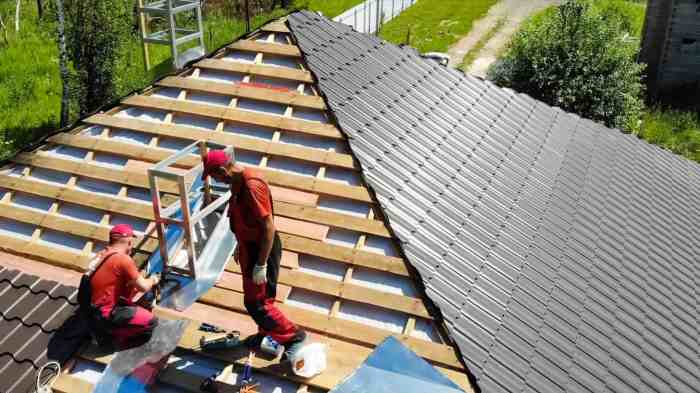
Navigating insurance claims can be a daunting task for roofing contractors. Often, these professionals face a variety of hurdles that complicate the claims process, which can ultimately affect their bottom line. Understanding these challenges is crucial for effectively managing claims and ensuring prompt resolution. One of the frequent hurdles roofing contractors encounter is the difficulty in accurately assessing damages. This can lead to disputes over the extent of the damage and the costs associated with repairs.
Additionally, contractors often find themselves dealing with complex paperwork and stringent requirements set by insurers, which can be overwhelming and time-consuming.
Challenges in Damage Assessment
When it comes to insurance claims, accurately documenting damages is vital. Common issues in this area include:
- Vague Damage Reports: Incomplete or unclear documentation can lead to misunderstandings with insurance adjusters.
- Discrepancies in Estimates: Variations between the contractor’s assessment and the insurance adjuster’s evaluation can complicate negotiations.
- Insufficient Evidence: Failing to provide enough photographic evidence or detailed descriptions of damages can weaken a claim.
- Time Constraints: Rushing through assessments or documentation due to project deadlines can result in oversight.
Addressing these challenges involves implementing a structured approach to damage documentation. Utilize the following strategies to enhance the effectiveness of your claims:
“Thorough documentation not only strengthens your claim but can also expedite the process.”
Strategies for Overcoming Challenges
To navigate common challenges in the claims process, roofing contractors can adopt several effective strategies:
- Checklists for Damage Assessment: Create a comprehensive checklist to ensure all potential damages are documented. This helps avoid missing critical details.
- Consistent Communication: Maintain open lines of communication with both clients and insurance adjusters. This ensures everyone is on the same page regarding expectations and timelines.
- Utilize Technology: Leverage tools like drones or high-resolution cameras to capture detailed images of roof damage, which can bolster your claim.
- Engage Independent Adjusters: Consider hiring an independent adjuster to provide an unbiased assessment, which can be beneficial in disputes.
By implementing these strategies, roofing contractors can effectively mitigate the challenges associated with insurance claims and enhance the likelihood of a successful resolution.
Documentation Techniques for Stronger Claims
Documenting damages thoroughly is key to strengthening any insurance claim. Effective documentation techniques include:
- Photographic Evidence: Take clear, high-quality photos from multiple angles to capture the full extent of the damage.
- Detailed Written Descriptions: Accompany photos with detailed notes outlining the nature of the damage, the materials affected, and any potential safety hazards.
- Repair Estimates: Provide detailed cost estimates from reputable suppliers or subcontractors to support your claim.
- Before-and-After Comparisons: Presenting visual comparisons can effectively illustrate the impact of the damage.
By utilizing these documentation techniques, roofing contractors can significantly improve their chances of a favorable outcome in their insurance claims process.
Importance of Proper Documentation
Source: asphaltroofing.org
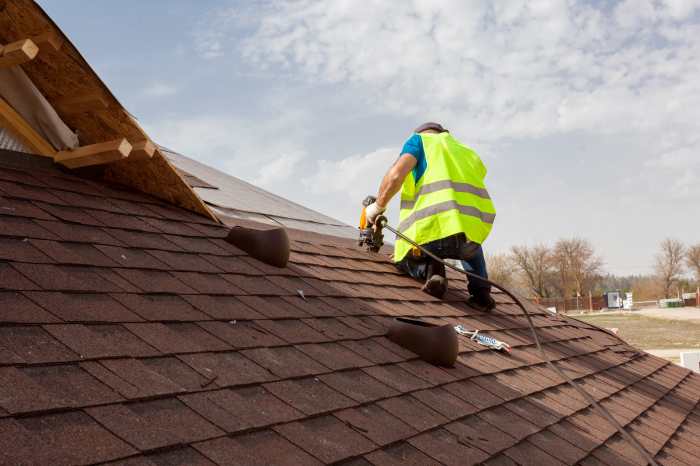
Proper documentation is a cornerstone of successfully navigating insurance claims for roofing contractors. It not only helps streamline the claims process but also significantly influences the amount that can be recovered. By meticulously maintaining records, contractors can provide clear evidence of damages, project details, and compliance with safety regulations, which is vital when it comes time to negotiate with insurance providers.When filing insurance claims, the quality and comprehensiveness of the documentation can directly impact claim approval and reimbursement amounts.
Inadequate or poorly organized documentation can lead to delays, reduced payouts, or even outright denials of claims. Therefore, having a well-structured approach to documentation is essential for roofing contractors aiming to protect their financial interests and maintain a reliable workflow.
Essential Documents for Roofing Contractors
To support effective insurance claims, roofing contractors should maintain a comprehensive set of documents. These records play a critical role in substantiating claims and demonstrating the legitimacy of the request. Below is a list of essential documents that should be organized and readily accessible:
- Project contracts and agreements
- Invoices and payment records
- Detailed photographs of the roof before and after repairs
- Inspection reports and assessments
- Weather reports at the time of damage
- Correspondence with clients and insurance adjusters
- Any permits or licenses related to the work
- Safety compliance documentation
Maintaining these documents ensures that all relevant information is available to substantiate claims and demonstrates the contractor’s professionalism and attention to detail.
Organizing and Storing Claim-Related Documents
Efficient organization and storage of claim-related documents are vital to ensure easy access and retrieval when needed. Here are some methods roofing contractors can implement to manage their documentation effectively:
1. Digital Storage Solutions
Utilize cloud-based storage services to keep documents safe and easily accessible from multiple devices. This facilitates sharing with team members or insurance representatives.
2. Categorization System
Implement a systematic approach to categorize documents such as dividing them into folders labeled by project, type of document (e.g., contracts, claims), or date. This reduces time spent searching for specific files.
3. Regular Backups
It is crucial to perform regular backups of all digital records. This safeguards against data loss due to hardware failure or other unforeseen circumstances.
4. Physical Document Management
For necessary physical documents, consider using a filing cabinet with labeled folders that mirror the digital organization system, ensuring consistency and easy cross-referencing.
5. Document Tracking
Incorporate a document tracking system to monitor when documents are added, modified, or accessed. This helps maintain an up-to-date overview of available records.By implementing these organizational strategies, roofing contractors can enhance their ability to manage insurance claims effectively, ultimately leading to smoother processing and better financial outcomes.
Role of Insurance Adjusters
Insurance adjusters play a crucial role in the roofing claims process. They are responsible for evaluating the damage reported by roofing contractors and policyholders, determining the validity of claims, and calculating the appropriate payouts based on the insurance policy. Their expertise in assessing damage types, costs, and the nuances of insurance policies is pivotal in ensuring that claims are handled fairly and efficiently.Adjusters assess damage through a systematic approach, often involving on-site inspections, reviewing documentation, and consulting with contractors.
They begin by evaluating the reported damage against the policy coverage. This assessment includes looking at the type of roof, the extent of the damage, and the age of the roof. Adjusters utilize their training and experience to estimate repair or replacement costs, which are then used to inform the claim payout. They may rely on software tools for cost estimation, but their judgment and experience are equally significant in the process.
Effective Communication with Adjusters
Effective communication between roofing contractors and insurance adjusters can significantly influence the outcome of a claim. Clear and concise communication helps streamline the claims process and can aid in resolving disputes.To foster effective communication, roofing contractors should:
- Provide detailed documentation: Present clear, thorough documentation that Artikels the damage, repair estimates, and any relevant photographs. This enhances credibility and provides adjusters with the information they need to make informed decisions.
- Understand policy details: Familiarize yourself with the specific terms and coverage limits of the insurance policy. Knowledge of the policy helps in discussions and ensures that all relevant points are addressed.
- Maintain professionalism: Approach all interactions with adjusters professionally. A respectful tone and demeanor can foster positive relationships and promote collaboration.
- Be responsive: Quickly respond to any requests for additional information or clarification from adjusters. This demonstrates reliability and can expedite the claims process.
- Follow up: Regularly follow up on the status of the claim. A proactive approach shows your commitment and can help keep the claim moving forward.
Building a rapport with insurance adjusters often results in smoother claim processes and more favorable outcomes for roofing contractors.
Impact of Weather on Claims Costs
Weather plays a significant role in influencing roofing claims costs, as various conditions can lead to different types of damages. Understanding how different weather events affect claims can help roofing contractors better manage their costs and provide more accurate estimates for clients. By taking preventive measures, contractors can also mitigate the risks associated with weather-related damages.Extreme weather conditions, such as heavy rain, snow, hail, and wind, can lead to significant damages to roofs, ultimately affecting the insurance claims process and costs.
For instance, hail can cause considerable damage to shingles, resulting in substantial repair or replacement expenses. According to the National Oceanic and Atmospheric Administration (NOAA), a severe hailstorm can lead to insurance claims averaging around $15,000 to $25,000 for a typical residential roof. Similarly, wind damage can cause shingles to lift or blow off entirely, requiring immediate repairs to prevent leaks and further structural damage.
Examples of Weather-Related Damages and Typical Insurance Costs
Several weather-related events can lead to unique roofing claims. Here are some common examples along with their associated costs:
Hail Damage
Heavy hail can severely damage asphalt shingles, metal roofs, and even tile roofs. The average cost of repairs can range from $5,000 to $30,000 depending on the severity and type of roofing material.
Wind Damage
High winds can lead to missing shingles and structural damage. The cost of repairs may vary from $3,000 for small damages to upwards of $20,000 for extensive roof replacements.
Snow and Ice Damage
Accumulation of snow and ice can lead to roof collapses or ice damming, where water backs up and leaks into the home. Repair costs can range from $1,000 for minor repairs to $10,000 for more severe cases requiring full roof replacement.
Water Damage from Heavy Rains
Prolonged heavy rains can lead to leaks and water damage to the roofing structure. Insurance claims for such damages can average anywhere from $5,000 to $15,000 depending on the extent of the water damage.Preventive measures can significantly reduce the likelihood of weather-related claims. Roofing contractors can implement the following strategies to protect roofs from extreme weather:
Regular Inspections
Conducting regular roof inspections can identify potential vulnerabilities before they become significant issues. Early detection of damage can prevent increased costs later.
Proper Installation Techniques
Ensuring roofs are installed using proper techniques and materials designed to withstand local weather conditions can reduce the likelihood of damage.
Maintenance of Gutters and Drains
Keeping gutters and drainage systems clear of debris can prevent water accumulation and ice damming, reducing the risk of leaks and structural damage.
Reinforcement of Roof Structures
Strengthening roofs in areas prone to high winds or heavy snow can help withstand extreme weather conditions. This could involve using stronger materials or reinforcing trusses.By being proactive and taking these preventative measures, roofing contractors can help minimize the impact of weather on claims costs, providing better protection for their clients and potentially lowering insurance premiums.
Case Studies of Roofing Claims Costs
In the roofing industry, understanding the financial implications of insurance claims is crucial for contractors and property owners alike. Real-life case studies provide valuable insights into the costs associated with roofing claims, the challenges faced during the process, and the lessons learned that can guide future actions. Analyzing these cases helps to illustrate the complexities involved in navigating insurance claims while showcasing the variability of outcomes depending on the circumstances.One such case involved a roofing contractor in Texas who faced severe wind damage after a storm.
The contractor filed a claim for $50,000 to cover the repairs. The insurance adjuster initially approved only $30,000, citing depreciation and exclusion clauses. After negotiations, the total payout reached $45,000, highlighting the importance of effective communication with insurance representatives.
Case Study: Texas Storm Claim, Roofing Contractors Insurance Claims Cost
This case illustrates the negotiation process between roofing contractors and insurance companies, emphasizing the need for thorough documentation and understanding of policy terms. Key findings from this case include:
-
The initial claim amount can often be reduced by insurance adjusters based on policy details.
- Effective communication and negotiation can significantly alter the final payout.
- Documenting all damage and repairs meticulously is essential for successful claims.
Another interesting case took place in Florida, where a contractor dealt with claims after a hurricane caused extensive roof damage. The contractor estimated the repair costs at $100,000. The insurance company, however, disputed many of the claims based on alleged pre-existing conditions. After a lengthy process that included appeals and mediation, the final settlement was $85,000. This case showcases the challenges associated with interpreting insurance policy language and the importance of being prepared for disputes.
Case Study: Florida Hurricane Claim
This example emphasizes the complexities of interpreting insurance policies when filing claims after natural disasters. Key takeaways from this case are:
-
Anticipating disputes can help contractors prepare for prolonged claims processes.
- Understanding the language of insurance policies is crucial in protecting interests.
- Collecting comprehensive evidence of damage can strengthen claims against insurance disputes.
Lastly, a case from California where a contractor faced water damage from a leaky roof highlights the importance of regular maintenance. The claimed amount was $15,000, but the insurance company initially offered $10,000 due to a lack of documentation on prior maintenance. After presenting maintenance records and invoices, the claim was settled for $13,000, reinforcing the need for proactive documentation.
Case Study: California Water Damage Claim
This case illustrates the value of regular maintenance and documentation in the claims process. Important conclusions from this case include:
-
Proactive maintenance can prevent future claims and disputes.
- Maintaining records of all repairs and inspections can enhance the credibility of claims.
- Being well-prepared with documentation can lead to better outcomes in negotiations.
Future Trends in Roofing Insurance Claims
Emerging trends in the roofing industry are poised to reshape the landscape of insurance claims, influencing how contractors navigate coverage and claims processing. As the industry evolves, these changes will be driven by advancements in technology, shifting regulations, and environmental factors. Understanding these trends is essential for roofing contractors to stay ahead of the curve and optimize their insurance strategies.Technological advancements are significantly impacting claims processing and costs, leading to more efficient systems and enhanced customer experience.
Innovations such as drone technology for roof inspections, AI-driven claim assessments, and mobile apps for real-time communication with clients and insurers are becoming commonplace. These tools not only streamline the claims process but also help in accurately estimating damages and expediting payouts.
Technological Advancements in Claims Processing
The integration of cutting-edge technology into the roofing insurance claims process provides numerous advantages. Key developments include:
- Drone Inspections: Drones are increasingly being used to conduct thorough roof inspections, allowing for detailed assessments without the need for scaffolding or ladders. This reduces the time and cost involved in gathering evidence for claims.
- Artificial Intelligence: AI algorithms can analyze images and data to assess damages more accurately and quickly, providing initial claim evaluations that are both efficient and precise.
- Mobile Applications: Contractors can use mobile apps to report damages and communicate directly with insurance adjusters, facilitating quicker responses and smoother claims management.
- Cloud-Based Software: This technology allows for real-time data sharing between contractors and insurers, ensuring that all parties have access to the latest information about a claim.
Regulatory Changes Impacting Insurance Costs
As the roofing industry continues to evolve, regulatory changes at local, state, and federal levels can significantly influence insurance costs for contractors. These regulations may include:
- Building Code Updates: New building codes that promote sustainable materials and practices may lead to changes in insurance premiums as insurers adjust to the risk associated with different roofing materials.
- Increased Reporting Requirements: Stricter reporting requirements for claims may necessitate more documentation and lead to higher administrative costs for contractors.
- Environmental Regulations: New regulations aimed at addressing climate change may affect how insurers assess risk, particularly in regions prone to extreme weather events.
“Insurance premiums are likely to rise as the cost of materials increases due to regulatory pressures and innovative technologies.”
In summary, the future trends in roofing insurance claims are shaped by technological advancements that enhance efficiency and accuracy in claims processing, as well as regulatory changes that could impact insurance costs. Roofing contractors who adapt to these trends will be better positioned to manage their insurance claims effectively.
Summary
In summary, grasping the elements of Roofing Contractors Insurance Claims Cost is vital for contractors aiming to secure their investments and efficiently handle unforeseen damages. By being informed about the claims process, estimating costs, and understanding the role of insurance adjusters, roofing professionals can better navigate the complexities of insurance, ultimately leading to more successful outcomes in their projects.
Essential Questionnaire
What is the average cost of roofing insurance claims?
The average cost can vary significantly based on damage type and extent, but it typically ranges from a few thousand to tens of thousands of dollars.
How long does it take to process a roofing insurance claim?
Processing times can vary, but most claims are settled within 30 to 60 days, depending on the complexity of the claim.
What types of damages are commonly covered by roofing insurance?
Commonly covered damages include storm damage, fire damage, and vandalism, but specifics depend on the policy.
Can contractors help homeowners with their insurance claims?
Yes, contractors can assist homeowners by providing documentation, estimates, and support during the claims process.
What documentation is essential for filing roofing insurance claims?
Necessary documentation typically includes photos of damage, estimates of repair costs, and the original roofing contract.