IVF Clinic Cost Per Cycle USA A Comprehensive Guide
IVF Clinic Cost Per Cycle USA is a pivotal topic for anyone considering fertility treatments. Understanding the financial implications of in vitro fertilization can be daunting, yet it is crucial for those on their journey to parenthood. With rising costs and various factors at play, this guide aims to shed light on what to expect when it comes to IVF expenses in the United States.
As we explore the different aspects of IVF costs, from the breakdown of individual expenses to geographic variations and insurance coverage, it becomes clear that financial planning is essential. Many factors influence the overall cost, including medication, lab fees, and even the location of the clinic. This comprehensive overview will help potential patients navigate the complexities of IVF pricing and make informed decisions regarding their fertility treatment options.
Overview of IVF and Cost Implications
In vitro fertilization (IVF) has become a significant option for couples struggling with infertility. This assisted reproductive technology allows for the fertilization of an egg outside the body, which can then be implanted into the uterus, offering hope to many who wish to conceive. The process can be complex and varies in cost, making understanding its implications essential for prospective parents.The average cost of a single IVF cycle in the United States typically ranges from $12,000 to $15,000.
This figure can be influenced by various factors including the clinic’s location, the expertise of the medical team, and specific treatment protocols. It is important to note that multiple cycles may be needed for success, which can escalate overall expenses significantly.
Factors Influencing the Cost of IVF Treatments
Several key factors contribute to the varying costs associated with IVF treatments. Understanding these elements can help couples make informed decisions regarding their fertility journey.
- Clinic Success Rates: Clinics with higher success rates often charge more for their services. These rates can be influenced by the clinic’s technology, staff expertise, and protocols in place.
- Geographic Location: The cost of IVF can differ significantly depending on the region. For instance, urban centers may have higher costs compared to rural areas due to demand and competition.
- Type of Treatment Required: Additional treatments, such as preimplantation genetic testing (PGT), can increase costs. The complexity of the couple’s specific fertility issues may also dictate the treatment plan.
- Medications: The medications required for stimulating ovarian production can add a substantial amount to the overall cost, sometimes ranging from $3,000 to $5,000 per cycle.
- Insurance Coverage: Some insurance plans cover a portion of IVF costs, which can significantly reduce out-of-pocket expenses. However, coverage varies widely by provider and state.
“Understanding the financial implications of IVF is crucial for couples navigating their fertility options.”
Overall, the decision to pursue IVF is not merely based on emotional factors but also requires careful financial consideration. By being informed of the potential costs and factors involved, couples can better plan for their journey towards parenthood.
Breakdown of IVF Clinic Costs
The costs associated with an IVF cycle can be overwhelming. Understanding the various components that contribute to the overall expense can help prospective parents better prepare financially for this journey. By breaking down the costs, individuals can gain clarity on what to expect and how to budget effectively.In general, IVF costs can be divided into several categories, including medications, laboratory fees, and additional services.
Below is a detailed list that Artikels common expenses related to IVF treatments.
Common Expenses Associated with IVF
The costs of IVF procedures can vary significantly depending on the clinic, location, and specific patient needs. Here are some key expenses:
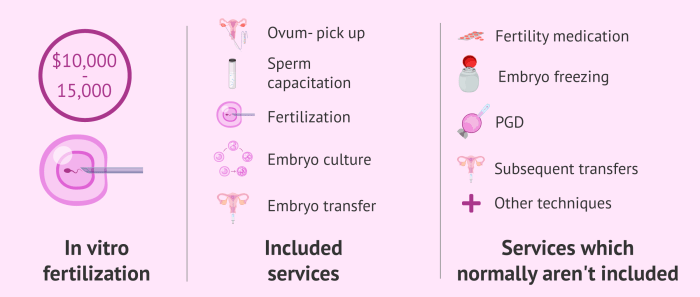
- Medications: These are crucial for stimulating the ovaries and preparing for egg retrieval. Medications can range from $3,000 to $5,000 per cycle.
- Monitoring and Blood Tests: Regular monitoring through blood tests and ultrasounds is necessary to track hormone levels and follicle development. This can cost approximately $1,000 to $3,000.
- Egg Retrieval: The process of retrieving eggs is a surgical procedure that typically costs around $2,000 to $4,000.
- Embryo Culture and Transfer: Culturing the embryos and transferring them into the uterus can add another $3,000 to $5,000 to the total cost.
- Laboratory Fees: Costs for laboratory services, including ICSI (Intracytoplasmic Sperm Injection) and genetic testing, can range from $1,000 to $3,500.
- Storage Fees for Embryos: If embryos are frozen, storage fees may apply, costing around $500 to $1,000 per year.
Average Costs for Various IVF Procedures
To provide further insight, here’s a breakdown of average costs for different IVF-related procedures in a tabular format:
| Procedure | Average Cost ($) |
|---|---|
| Medications | 3,000 – 5,000 |
| Monitoring and Blood Tests | 1,000 – 3,000 |
| Egg Retrieval | 2,000 – 4,000 |
| Embryo Culture and Transfer | 3,000 – 5,000 |
| Laboratory Fees | 1,000 – 3,500 |
| Storage Fees for Embryos (Annual) | 500 – 1,000 |
Each of these components plays a vital role in the IVF process and contributes to the overall financial commitment required. Understanding these costs is essential for prospective parents as they navigate their options and make informed decisions about their reproductive health.
Geographic Variations in IVF Costs
The cost of In Vitro Fertilization (IVF) can vary significantly across different regions in the United States. Understanding these variations is crucial for those considering IVF as part of their family planning journey. Factors such as local demand, the cost of living, and state regulations all contribute to the differing prices of IVF treatments.Cost differences arise from several key factors including the cost of healthcare in specific regions, availability of fertility specialists, and the operational costs of clinics.
For instance, metropolitan areas with higher costs of living often see higher IVF prices due to increased overhead costs for clinics. Additionally, competition among clinics can also influence pricing, as can the availability of state funding or insurance coverage for fertility treatments.
Cost Comparison in Major Metropolitan Areas
To illustrate the geographic variations in IVF costs, below is a comparison table highlighting the average costs for a single IVF cycle in several major U.S. cities. These figures represent comprehensive treatment costs, including medications and related procedures.
| City | Average Cost per Cycle |
|---|---|
| New York, NY | $15,000 |
| Los Angeles, CA | $13,000 |
| Chicago, IL | $12,000 |
| Miami, FL | $11,000 |
| Dallas, TX | $10,000 |
| Seattle, WA | $14,000 |
| San Francisco, CA | $17,000 |
These costs reflect the average price for a complete IVF cycle and can vary based on specific clinic practices, individual patient needs, and additional services required.Several reasons explain why geographic location impacts IVF treatment pricing. Firstly, urban areas typically have higher living costs, which translates into higher operational expenses for clinics. Secondly, regions with fewer fertility clinics may have less competition, allowing facilities to maintain higher prices.
Additionally, states with supportive fertility policies or insurance mandates may offer lower out-of-pocket expenses for patients, thus affecting the final cost of IVF treatments. Overall, potential IVF patients should conduct thorough research into local clinics and costs to make informed decisions that align with their financial situations and treatment goals.
Insurance Coverage for IVF Treatments
Navigating the financial aspects of IVF can be challenging, but understanding how insurance plays a role can make a significant difference. Many couples seeking fertility treatments often wonder about the extent to which their insurance will cover IVF costs. The reality is that coverage varies widely depending on a variety of factors, including the type of insurance plan you have and the state you reside in.
Insurance companies can cover a range of services related to IVF, which may include diagnostic tests, the IVF procedure itself, medication, and even some pre-implantation genetic testing. However, not all plans are created equal, and the benefits can differ significantly. Typically, insurance coverage for IVF treatments falls into one of several categories: plans that fully cover IVF, those that offer partial coverage, and plans that do not cover IVF at all.
Types of Insurance Plans and Benefits
Understanding the types of insurance plans available can help you better assess your options for IVF coverage. The main types of plans typically include:
- Employer-Sponsored Insurance: Many employers offer health insurance plans that may include fertility treatment coverage. This can vary widely, so it’s vital to review the specific benefits provided by your employer’s plan.
- Government Programs: Certain states have programs that mandate insurance coverage for infertility treatments, making it easier for couples seeking IVF to access financial support.
- Private Insurance Plans: These plans can vary greatly in their coverage for fertility treatments. Some may offer comprehensive coverage, while others may not cover IVF at all. Review the policy details to understand what is included.
To make informed decisions about insurance coverage for IVF, it’s essential to understand if your state mandates coverage for fertility treatments. Here’s a list of states that have enacted laws requiring insurance coverage for IVF and other fertility services:
States with Mandated Insurance Coverage
Many states have recognized the importance of fertility treatments and have implemented laws that require insurance providers to cover specific infertility services. The following states have mandated coverage for IVF treatments:
- California
- Connecticut
- Illinois
- Massachusetts
- New Jersey
- New York
- Rhode Island
- Texas
- Washington
Understanding your insurance coverage is crucial when planning for IVF treatments. Be sure to check both your policy details and consult with your provider to clarify what is covered under your plan, as well as any out-of-pocket expenses you might incur during your IVF journey.
Financial Assistance and Payment Options
Navigating the financial landscape of in vitro fertilization (IVF) can be daunting due to the often high costs associated with the process. Fortunately, several financial assistance and payment options are available to help individuals and couples manage these expenses. Understanding these options can alleviate some financial burden and make fertility treatments more accessible.Many individuals seeking IVF may not have the means to pay for treatments upfront, which is why financing options come into play.
Clinics often partner with financial institutions to provide loans specifically designed for fertility treatments. These loans typically cover the costs associated with IVF procedures and can be repaid over time, making it easier to manage the financial aspects of fertility treatments.
Financing Options for IVF
Several financing options exist for those pursuing IVF treatments, offering various terms and conditions to suit different financial situations. Here are some common options:
- Personal Loans: Many banks and credit unions offer personal loans that can be used for medical expenses, including IVF. These loans are usually unsecured, which means you don’t need to put up collateral.
- Fertility-specific Financing Programs: Some clinics have partnerships with specialized lenders who offer loans tailored for fertility treatments. These programs often provide flexible repayment terms.
- Credit Cards: Using a credit card to cover IVF expenses can be an option, especially if the card offers rewards or cashback. However, it’s vital to consider interest rates and potential debt accumulation.
- Home Equity Loans: Homeowners may consider tapping into their home equity to finance IVF. This option typically offers lower interest rates, but it puts your home at risk if you default on the loan.
Grants and Scholarships for Fertility Treatments
For those looking for non-repayable financial assistance, grants and scholarships can be a crucial resource. Various organizations offer financial aid to individuals and couples undergoing fertility treatments, often aimed at specific demographics or circumstances. The importance of these grants cannot be understated, as they can significantly reduce the financial burden of IVF. Here are some notable options:
- The Baby Quest Foundation: This organization provides grants to individuals who cannot afford fertility treatments, including IVF. Applications are accepted annually.
- Fertility Within Reach: This nonprofit offers grants and financial assistance programs for those struggling with the costs of fertility treatments.
- The Foundation for Reproductive Medicine: Grants are available through this foundation to support families in need of IVF.
- Resolve: The National Infertility Association: Resolve provides resources and information about grants and financial assistance options available for fertility treatments.
Payment Plans Offered by Clinics
Many IVF clinics recognize the financial challenges associated with fertility treatments and offer payment plans to help ease the burden. These plans can vary widely between clinics, so it is essential to inquire about specific terms and conditions. Payment plans typically allow patients to spread the cost of treatments over several months or even years. The implications of using such plans include:
- Lower Monthly Payments: By breaking down the total cost into smaller, manageable monthly payments, patients can budget more effectively.
- Interest Rates: Some clinics may charge interest on the balance, while others may offer interest-free options, making it important to clarify these details upfront.
- Down Payments: Many clinics require a down payment to secure a place in their payment plan, which can vary in amount.
- Automatic Payments: Some clinics may set up automatic payment systems, helping patients avoid missed payments but requiring careful financial planning to ensure sufficient funds.
Factors Affecting IVF Success Rates and Costs: IVF Clinic Cost Per Cycle USA

Source: elite-ivf.com
The success of in vitro fertilization (IVF) is influenced by various factors, which can also lead to fluctuations in costs. Understanding these aspects is crucial for prospective patients as they navigate their fertility journey. Not only does age play a significant role, but health conditions and advanced techniques also impact both the success rates and the associated costs of IVF treatments.
Age and Health Conditions
Age is one of the most critical factors affecting IVF success rates. As women age, particularly beyond the age of 35, the quality and quantity of eggs decline. This decline often leads to lower success rates for IVF treatments. Similarly, certain health conditions, such as polycystic ovary syndrome (PCOS) or endometriosis, can affect both fertility and treatment outcomes. The costs associated with IVF can also increase due to age and health conditions.
Older patients may require more advanced techniques or additional treatments to enhance their chances of conception, which can raise expenses. For example, women over 40 may benefit from preimplantation genetic testing (PGT) to screen embryos for genetic abnormalities, a service that adds to the overall cost of IVF.
Advanced Techniques and Their Costs, IVF Clinic Cost Per Cycle USA
In the pursuit of higher success rates, many clinics offer advanced reproductive technologies which can boost the chances of a successful pregnancy. Techniques such as Intracytoplasmic Sperm Injection (ICSI) or Assisted Hatching are often utilized for patients facing specific fertility challenges.While these advanced techniques can significantly improve outcomes, they typically come with additional costs. For instance, ICSI, which involves injecting a single sperm directly into an egg, can add several hundred to over a thousand dollars to the total treatment cost.
Furthermore, the utilization of egg or sperm donors, gestational carriers, and fertility preservation methods can also elevate the overall expenses. Patients need to consider these factors when budgeting for IVF, as they can substantially impact both the financial and emotional aspects of the process.
Impact of Multiple Cycles
Many patients require more than one IVF cycle to achieve a successful pregnancy, which can lead to increased overall expenses. The average cost of a single IVF cycle can range from $10,000 to $15,000, excluding medication, which can add another $3,000 to $5,000. Patients should prepare for the possibility of multiple cycles, as research indicates that the cumulative success rates increase with each attempt.
For example, while the success rate for the first cycle may be around 30%, subsequent cycles can improve overall success rates to over 60% after three cycles.
“Embarking on multiple IVF cycles can be both financially and emotionally taxing, but understanding the potential for increased success may help in planning.”
Considering the potential need for multiple cycles, patients should discuss financial options with their providers, including payment plans, financing options, or even programs that offer financial assistance. This foresight can help alleviate some of the financial burdens associated with repeated IVF attempts.
Patient Experiences and Testimonials
Source: invitra.com
Navigating the journey of IVF can be both a physically and emotionally demanding experience, especially when considering the associated costs. Individuals and couples facing fertility challenges often share powerful stories illustrating their struggles with the financial implications of these treatments. Patient experiences with IVF reveal a myriad of perspectives, showcasing how the financial burden can affect not just the treatment decisions, but also the emotional well-being of those involved.
The value of IVF is not solely defined by monetary metrics; it encompasses hope, dreams of parenthood, and the emotional rollercoaster that accompanies each cycle.
Financial and Emotional Aspects of IVF Experiences
The emotional weight of IVF is often compounded by financial pressures. Many patients recount their journeys, emphasizing how costs impacted their decision-making process and emotional health. Below are some poignant testimonials that reflect both the financial and emotional angles of the IVF experience:
-
“We had to make tough choices about our budget, cutting out luxuries just to afford the next cycle. But every time we considered giving up, we were reminded of our dream to hold our baby.”
-Sarah, 34 -
“The costs for IVF were overwhelming, and although insurance helped, we still faced large out-of-pocket expenses. It took a toll on my mental health, but the support from our clinic made a huge difference.”
-Tom, 37 -
“After three cycles, we felt exhausted both emotionally and financially. But the thought of giving up on our dream kept us pushing forward.”
-Lisa, 30 -
“We learned about grants and financial assistance programs, which lightened our load considerably. The emotional relief was just as important as the financial one.”
-Mike, 40 -
“Each cycle was a new hope, but the financial stress was constant. We often worried about what we were sacrificing in our lives to pursue this path.”
-Jenna, 29
These testimonials reflect a diverse range of experiences, highlighting that while the costs of IVF can be daunting, the desire for parenthood often motivates individuals to persevere despite the challenges. The stories shared resonate with many, providing a sense of community and understanding among those on similar journeys.
Future Trends in IVF Pricing

Source: littleangelivf.com
As the field of reproductive medicine continues to evolve, several trends are emerging that could significantly impact the pricing of in vitro fertilization (IVF) treatments. These trends are shaped by technological advancements, changes in patient care models, and the increasing accessibility of medical services. Understanding these future directions can help potential patients navigate the financial landscape of IVF.Emerging technologies are expected to play a pivotal role in influencing IVF costs.
The integration of artificial intelligence (AI) in embryo selection processes, for example, may lead to higher success rates and optimized treatment cycles. By utilizing machine learning algorithms to analyze embryo viability, clinics may reduce the number of cycles needed per patient, thereby lowering total treatment costs. Additionally, advancements in cryopreservation techniques are likely to enhance the preservation of embryos, potentially diminishing the need for expensive repeat procedures.
Impact of Telemedicine on IVF Pricing
The rise of telemedicine and online consultations is transforming the way patients access IVF services, which may alter traditional pricing structures. Through virtual appointments, patients can receive consultations and follow-ups without the need for in-person visits, resulting in potential savings on travel and associated costs. This model allows clinics to streamline operations, which could translate to lower prices for patients.Telemedicine also enables clinics to expand their reach and treat more patients efficiently.
The following factors illustrate how this shift is affecting pricing:
- Reduced overhead costs for clinics due to less need for physical office space and resources.
- Increased accessibility for patients in remote areas, who may otherwise face higher costs related to travel and accommodation.
- Potential for competitive pricing as clinics adopt telehealth services to attract a broader patient demographic.
Trends in Patient Care Affecting Overall Expenses
Changes in patient care models are leading to significant shifts in how IVF costs are structured. A notable trend is the move toward personalized treatment plans that cater to individual patient needs, which may initially seem to raise costs but can ultimately lead to more efficient and successful outcomes.As clinics adopt more comprehensive care approaches, the following aspects are becoming increasingly relevant:
- Customizable IVF packages that include various services, such as genetic testing or nutritional counseling, can enhance treatment effectiveness and potentially reduce the number of cycles needed.
- Increased transparency in pricing models allows patients to understand better what they are paying for, fostering trust and facilitating informed decision-making.
- Holistic care options, incorporating mental health support and wellness programs, are gaining traction and can help optimize both emotional and financial investment in the IVF journey.
“The future of IVF pricing will be shaped by technology, accessibility, and personalized patient care, leading to more effective treatments and potentially lower overall costs.”
Outcome Summary
In conclusion, understanding IVF Clinic Cost Per Cycle USA is vital for anyone considering this path to conception. By familiarizing yourself with the expenses involved, available financial assistance, and the factors that can affect both costs and success rates, you can better prepare for this emotional and financial investment. As the landscape of fertility treatments continues to evolve, staying informed will empower you to make the best decisions for your family-building journey.
FAQ Resource
What is the average cost of an IVF cycle in the USA?
The average cost of an IVF cycle in the USA typically ranges between $12,000 and $15,000, not including medication and additional procedures.
Does insurance cover IVF treatments?
Insurance coverage for IVF varies by state and plan, with some states mandating coverage for fertility treatments while others do not.
Are there financing options available for IVF?
Yes, many clinics offer financing options, payment plans, and grants to help patients manage the costs associated with IVF.
What factors can influence the cost of IVF?
Factors that can influence IVF costs include the type of treatment required, medication, lab fees, and any additional procedures or tests needed.
How does age affect IVF costs and success rates?
Age can significantly impact both the costs associated with IVF and the likelihood of success, with younger patients generally experiencing higher success rates and potentially lower costs.