HVAC Repair Emergency Service Cost Explained
HVAC Repair Emergency Service Cost is an essential topic for homeowners facing unexpected heating or cooling failures. When your HVAC system breaks down, knowing what to expect in terms of costs and services can alleviate stress.
Emergency HVAC services are critical, especially during extreme weather conditions, as they ensure your home remains comfortable and safe. Understanding the various factors influencing emergency service costs, the typical cost breakdown for repairs, and how to choose the right service provider are key aspects that every homeowner should consider.
Overview of HVAC Repair Emergency Services
HVAC repair emergency services are designed to address urgent issues related to heating, ventilation, and air conditioning systems that can arise unexpectedly. These services play a crucial role in maintaining indoor comfort and air quality, particularly during extreme weather conditions. The significance of prompt HVAC repairs cannot be overstated, as delays can lead to further damage, increased costs, and potential safety hazards.Common scenarios that necessitate emergency HVAC services include complete system failures, gas leaks, malfunctioning thermostats, and serious electrical issues.
For instance, during a sweltering summer heatwave, an air conditioning system that suddenly stops working can result in dangerously high indoor temperatures, particularly affecting vulnerable individuals such as the elderly or those with health conditions. Similarly, a furnace breakdown in the middle of winter poses serious risks for occupants’ safety and comfort.
Typical Response Times for Emergency HVAC Repairs
When HVAC emergencies occur, swift response times are essential to minimizing discomfort and preventing further complications. Most HVAC service providers prioritize emergencies, often guaranteeing a response within a few hours or even less, depending on the time of day and the severity of the issue.Factors influencing response times include:
- Time of day: Evening or weekend emergencies may have longer wait times due to reduced staff availability.
- Location: Technicians may take longer to reach clients in remote areas.
- Severity of the issue: More critical problems may be addressed first, potentially delaying response to less urgent calls.
Most reputable HVAC companies strive to provide round-the-clock service and aim for a quick arrival to assess and resolve the issue at hand. Prompt action not only restores comfort but also helps to avoid costly repairs and safety risks associated with delayed repairs.
Emergency HVAC repairs are vital for maintaining a safe and comfortable living environment, especially during extreme weather conditions.
Factors Influencing Emergency Service Costs
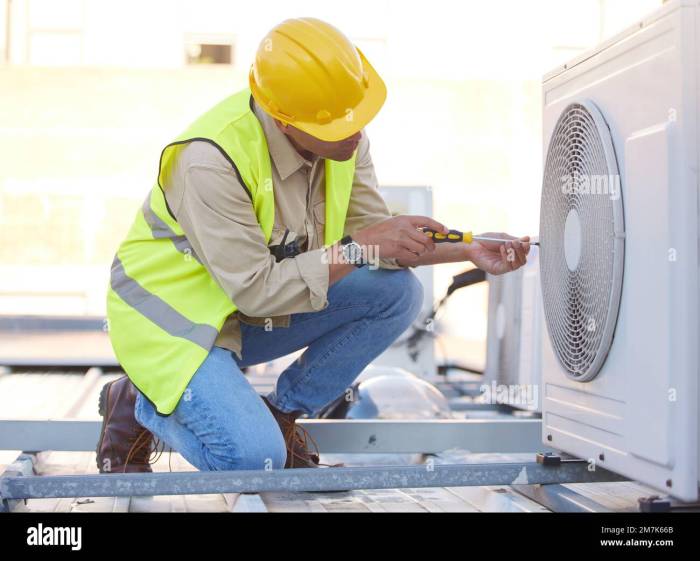
Source: alamy.com
When it comes to emergency HVAC services, several key factors influence the overall costs incurred by homeowners. Understanding these factors can help prepare you for potential expenses and give you insight into what to expect when facing HVAC emergencies.
Geographical Location Impacts on Pricing
The geographical location plays a significant role in determining the cost of emergency HVAC services. Different regions may have varying labor rates, service availability, and demand for HVAC services, directly affecting pricing.
- Urban vs. Rural Areas: In urban locations, the higher cost of living often translates to increased labor charges for technicians. Conversely, rural areas may have lower rates, but limited service providers can lead to higher prices due to demand.
- Regional Climate: Areas that experience extreme temperatures, whether hot or cold, tend to have higher demand for HVAC services. This can drive up prices during peak seasons, as more homeowners require urgent assistance.
- Local Regulations: Some regions may have specific licensing and insurance requirements for HVAC service providers, which can affect service costs. Providers may charge more to cover compliance expenses.
Equipment Type and Age in Determining Service Costs
The type and age of HVAC equipment can heavily influence repair costs during an emergency. Older systems, or those that are less common, may require specialized parts or expertise, which can increase overall service fees.
- Type of Equipment: Different HVAC systems, such as central air, heat pumps, or ductless mini-splits, come with varying complexities. For example, emergency repairs on high-end or specialized units often cost more due to the need for specialized knowledge and parts.
- Age of Equipment: Older systems are more prone to breakdowns and may require more extensive repairs. Additionally, finding replacement parts for outdated models can be a challenge, leading to higher costs.
- System Efficiency: Newer, high-efficiency units may have warranties that cover certain repairs, reducing out-of-pocket costs. In contrast, older, less efficient models typically have no such benefits.
Typical Cost Breakdown for Emergency HVAC Repairs
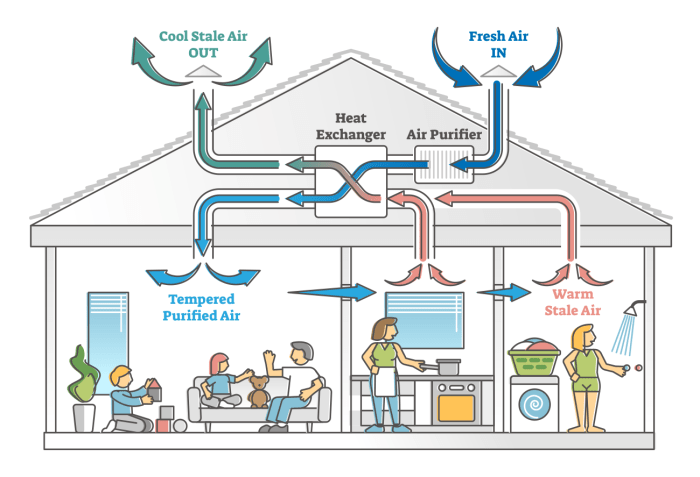
Source: webflow.com
Emergency HVAC repairs can be a significant financial burden, especially when unexpected breakdowns occur. To help homeowners better understand the potential costs involved, it’s essential to break down the expenses associated with common emergency repairs. This breakdown includes the average costs for parts and labor, varying based on the complexity of the service provided.Understanding the cost structure is crucial for budgeting and preparing for emergencies.
Below, we present a detailed table outlining the typical costs of various emergency HVAC repairs. This information can assist homeowners in making informed decisions during stressful situations.
Cost Table for Common Emergency HVAC Repairs
The following table highlights average costs associated with common emergency HVAC repairs, including labor and parts. The costs vary based on the complexity of the issues at hand.
| Service Type | Average Cost (Low Complexity) | Average Cost (Moderate Complexity) | Average Cost (High Complexity) |
|---|---|---|---|
| Thermostat Replacement | $100 – $200 | $200 – $300 | N/A |
| Condensate Drain Cleaning | $150 – $250 | $250 – $350 | N/A |
| Refrigerant Recharge | $200 – $400 | $400 – $600 | N/A |
| Compressor Replacement | $800 – $1,200 | $1,200 – $1,800 | $1,800 – $2,500 |
| Heat Exchanger Replacement | $600 – $900 | $900 – $1,400 | $1,400 – $2,000 |
In addition to these average costs, homeowners should be aware of potential hidden costs that may arise during emergency HVAC repairs. These hidden costs can significantly impact the final bill and should be considered during the repair process.
It’s critical to account for potential hidden costs such as diagnostic fees, travel expenses for the technician, or unexpected parts that may need replacement once the technician assesses the full scope of the problem.
For instance, during a compressor replacement, additional repairs might be necessary if other components are found to be faulty during inspection. Similarly, if the HVAC unit is older, there might be additional costs associated with securing hard-to-find parts.By being aware of these common expenses and potential hidden costs, homeowners can better prepare for emergency HVAC repairs and manage their expectations regarding the financial impact.
Comparing Costs: HVAC Repair Emergency Service Cost
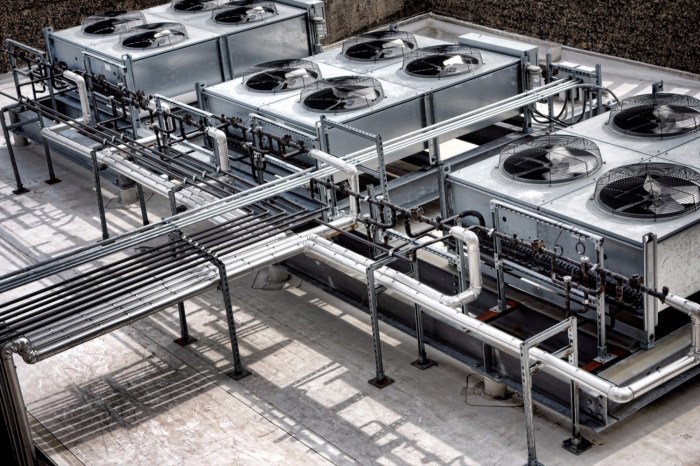
Source: entrepreneur.com
When it comes to HVAC repairs, understanding the cost differences between emergency services and regular maintenance can greatly influence your decision-making. Emergency HVAC services typically come with a premium price tag due to the urgent nature of the situation and the immediate response required from technicians. In contrast, regular services tend to be more economical and are often scheduled at your convenience, allowing for a thorough inspection and preventative maintenance to avoid costly emergencies later on.
Pricing Differences Between Emergency and Regular HVAC Services
The distinction between emergency and non-emergency HVAC service pricing can be quite significant. Emergency services usually entail higher labor rates, additional fees for after-hours calls, and potential markups on parts due to the urgent need for repairs. Regular HVAC maintenance, on the other hand, follows standard pricing and is often bundled into service agreements that include periodic check-ups and discounts on repairs.
To highlight the cost disparities, consider the following breakdown of typical pricing:
| Service Type | Typical Cost | Description |
|---|---|---|
| Emergency HVAC Repair | $150 – $300 per hour | Higher rates due to urgent response needed, with potential additional costs for parts. |
| Regular HVAC Repair | $75 – $150 per hour | Standard rates that apply during regular business hours. |
| Maintenance Service | $100 – $200 per visit | Periodic check-ups that can identify issues before they become emergencies. |
Scheduling regular maintenance can be more cost-effective in the long run. By investing in routine inspections and servicing, homeowners can catch minor issues before they escalate into major repairs that require emergency services. Regular maintenance not only saves money but also extends the life of the HVAC system, ensuring it operates efficiently.
“Preventative maintenance can save homeowners up to 30% on their annual heating and cooling costs.”
In summary, while emergency HVAC services provide crucial support during unforeseen issues, understanding their costs in relation to regular services can help homeowners make informed decisions. Investing in regular maintenance can lead to significant savings and peace of mind, reducing the likelihood of emergency repairs in the first place.
Benefits of Utilizing Emergency HVAC Repair Services
Immediate HVAC repairs offer several advantages that extend beyond mere comfort. In situations where heating or cooling systems fail, quick responses can significantly impact energy efficiency and operational costs. Delaying repairs can lead to further degradation of the system, ultimately resulting in higher expenses and extended downtime for your household or business.
Long-Term Savings from Immediate Repairs
Utilizing emergency HVAC repair services can lead to substantial long-term savings. Addressing issues as soon as they arise prevents minor malfunctions from escalating into more significant problems, which can incur higher repair costs or even complete system replacements. The immediate benefits include:
- Enhanced Energy Efficiency: A well-maintained system operates more efficiently, which translates to lower utility bills over time.
- Extended Equipment Lifespan: Regular, timely repairs prolong the life of HVAC systems, reducing the frequency of replacements.
- Improved Indoor Air Quality: Quick repairs ensure that your HVAC system continues to filter and circulate clean air, promoting a healthier environment.
- Increased Comfort: An efficiently running HVAC unit maintains consistent temperatures, enhancing comfort levels in your space.
Prevention of Significant Issues
Emergency HVAC services play a crucial role in identifying and fixing problems before they escalate. By addressing issues immediately, homeowners and businesses can avoid more severe consequences, which often come with hefty price tags. Ignoring minor repairs can lead to:
- System Failures: Small issues can grow into major breakdowns, necessitating extensive repairs or full replacements.
- Increased Repair Costs: Delaying action generally results in higher repair bills due to the compounded nature of system damage.
- Disruption of Daily Activities: A malfunctioning HVAC system can disrupt comfort, affecting productivity and well-being.
- Higher Energy Bills: Inefficient systems require more energy to operate, leading to increased costs that could have been avoided.
Success Stories from Emergency Repairs
Real-life testimonials highlight the significant impact of emergency HVAC repair services. For example, a family in a suburban neighborhood experienced a sudden loss of heating during a winter storm. They called an emergency service, which promptly diagnosed a failing thermostat and replaced it. This quick action not only restored warmth but also ensured that their heating system remained efficient throughout the season.Another case involved a small business that faced complete air conditioning failure during a peak summer month.
The emergency repair team quickly identified a refrigerant leak and made necessary repairs. As a result, the business avoided losing customers during a busy time, demonstrating how swift action can safeguard revenue and maintain customer satisfaction.
“Timely HVAC repairs are not just about comfort; they are an investment in the longevity and efficiency of your system.”
Tips for Minimizing Emergency Repair Costs
Homeowners can take several proactive steps to reduce the likelihood of HVAC emergencies and the associated repair costs. By implementing regular maintenance practices and making informed choices about service providers, you can ensure your HVAC system operates efficiently while avoiding costly breakdowns.
Regular Maintenance Practices, HVAC Repair Emergency Service Cost
Routine maintenance is crucial for the longevity of your HVAC system and can prevent expensive repairs down the line. Here are some helpful practices that homeowners should adopt:
- Change air filters regularly: Replace filters every 1-3 months to ensure optimal airflow and efficiency.
- Schedule annual professional inspections: Have a qualified technician check your system at least once a year to identify potential issues before they escalate.
- Clean the condenser coils: Keeping the outdoor unit free from debris and dirt will enhance its performance and lifespan.
- Check and seal ductwork: Inspect ductwork for leaks and seal any gaps to improve system efficiency and indoor air quality.
- Monitor thermostat settings: Ensure that your thermostat is functioning correctly and consider upgrading to a smart thermostat for better energy management.
Regular maintenance not only helps avoid emergency repairs but also contributes to lower energy bills and improved comfort in your home.
Choosing the Right Service Provider
Selecting a reputable HVAC service provider is critical in managing repair costs effectively. Here are strategies to ensure you make the right choice:
- Research local HVAC companies: Look for providers with positive customer reviews, ratings, and a solid reputation in your community.
- Obtain multiple quotes: Request estimates from at least three different contractors to compare pricing and services offered.
- Verify credentials: Ensure the technician is licensed, insured, and trained to handle your specific HVAC system.
- Ask for references: Speaking to previous clients can provide insight into the company’s reliability and quality of work.
- Inquire about warranties: A reputable service provider should offer warranties on both parts and labor for repairs performed.
By choosing the right service provider and conducting thorough research, homeowners can safeguard themselves against inflated repair costs and ensure high-quality service when emergencies arise.
Insurance and Financing Options for Emergency HVAC Repairs
Emergency HVAC repairs can be costly, but understanding the insurance and financing options available can help alleviate some of that financial burden. Homeowners often face unexpected HVAC repairs, and knowing what resources are at their disposal is crucial in managing these expenses effectively. This section explores common insurance policies that cover emergency HVAC repairs and discusses financing options that can help homeowners handle unexpected costs.
Common Insurance Policies Covering Emergency HVAC Repairs
Several types of insurance policies may cover emergency HVAC repairs, providing homeowners with essential financial relief during unexpected breakdowns. Understanding the specifics of these policies can help ensure that you are adequately protected.
- Homeowners Insurance: Most standard homeowners insurance policies cover sudden and accidental damage to HVAC systems caused by perils like fire, vandalism, or severe weather. However, coverage may vary, so it’s essential to review your policy’s details.
- Home Warranty Plans: Many homeowners opt for home warranty plans, which can help cover repair or replacement costs of HVAC systems that malfunction due to normal wear and tear. These plans often have specific inclusions or exclusions, so examining the terms is vital.
- HVAC Maintenance Plans: Some HVAC companies offer maintenance plans that include emergency repair coverage as part of their services. This can be a proactive way to ensure your system is maintained and protected against breakdowns.
Financing Options for Unexpected HVAC Repair Costs
When emergency HVAC repairs arise, financing options can provide vital support for homeowners facing immediate expenses. Various financing avenues are available to help manage these costs effectively.
- Personal Loans: Many homeowners turn to personal loans for quick access to funds. These loans typically have fixed interest rates and can be repaid in installments over time, making them a feasible option for covering emergency repairs.
- Credit Cards: Using a credit card can be a quick solution for emergency HVAC repairs, but it’s essential to consider the interest rates associated with credit card debt. Homeowners should aim to pay off the balance as soon as possible to avoid high-interest charges.
- HVAC Company Financing: Some HVAC service providers offer financing options directly through their companies. This can include low or no-interest payment plans, making it easier for homeowners to spread the cost of repairs over several months.
- Government Programs: Certain government programs and initiatives may provide financial assistance for home repairs, including HVAC systems. Researching local or federal programs can reveal resources that can ease the financial stress of emergency repairs.
Questions Homeowners Should Ask Insurance Providers
When discussing coverage for HVAC repairs with insurance providers, homeowners should be prepared with specific questions to ensure they understand their policy limitations and benefits. Here’s a helpful list:
- What specific types of HVAC damage are covered under my policy?
- Are there any exclusions or limitations I should be aware of regarding HVAC repair coverage?
- Is there a deductible that must be met before coverage kicks in for HVAC repairs?
- How do I file a claim for emergency HVAC repairs, and what documentation will I need?
- Are there any recommended or preferred service providers for repairs under my policy?
Choosing the Right HVAC Repair Service
Selecting a reputable emergency HVAC repair service is crucial when you face sudden heating or cooling issues. With various companies available, understanding the right criteria for selection helps ensure reliability and satisfactory service. This guide will provide insights into what to consider when choosing an HVAC repair service that meets your needs.
Criteria for Selecting a Reputable Emergency HVAC Repair Service
When choosing an HVAC repair service, several key factors should be taken into account to ensure you receive quality assistance during an emergency.
- Certifications: Look for companies that hold certifications from recognized organizations, such as the North American Technician Excellence (NATE) or the Environmental Protection Agency (EPA). These certifications indicate that technicians are skilled and knowledgeable about HVAC systems.
- Customer Reviews: Research customer feedback on platforms like Google Reviews, Yelp, or Angie’s List. Positive reviews often reflect a company’s reliability, professionalism, and quality of service. Pay attention to responses to negative reviews as well, as this can reveal how a company handles issues.
- Warranties: A reputable HVAC service will typically provide warranties on both their workmanship and the parts they install. This demonstrates their confidence in the services provided and offers you protection should issues arise after repairs.
- Response Time: In emergency situations, the speed of response can be critical. Ensure the service you choose has a clear commitment to rapid response times, typically within a few hours of your call.
- Experience and Expertise: Look for companies with extensive experience in the HVAC industry. A well-established service provider is likely to have encountered various types of HVAC issues and knows how to resolve them efficiently.
Verifying the Credibility and Service Quality of HVAC Companies
Assessing the credibility of an HVAC company is vital to avoid scams and ensure quality service.
- License and Insurance Verification: Ensure the HVAC company is licensed and carries liability insurance. This protects you from potential liabilities if any accidents occur during repairs.
- Requesting References: Don’t hesitate to ask for references from past clients. A trustworthy company will provide you with contacts who can share their experiences and satisfaction with the services received.
- Detailed Estimates: Reputable companies provide detailed written estimates before starting any work. This should include labor, parts, and any additional fees, preventing unexpected costs later.
- Professional Associations: Membership in professional associations often indicates a commitment to industry standards and ongoing education. Look for affiliations with organizations like the Air Conditioning Contractors of America (ACCA).
“Choosing a qualified HVAC service can save you time, money, and stress during an emergency situation.”
By keeping these criteria in mind, you can enhance the likelihood of selecting an HVAC repair service that is both reliable and effective in addressing your emergency needs.
Last Recap
In summary, being informed about HVAC Repair Emergency Service Cost not only prepares you for potential issues but can also save you money in the long run. By understanding the costs associated with emergency repairs and taking proactive steps to maintain your HVAC system, you can prevent future emergencies and ensure your home stays comfortable.
Frequently Asked Questions
What should I do in an HVAC emergency?
Turn off the system, check for obvious issues, and contact a qualified emergency HVAC service immediately.
Are emergency HVAC services more expensive?
Yes, emergency services typically incur higher costs due to immediate response and after-hours labor.
How can I prevent HVAC emergencies?
Regular maintenance, changing filters, and being proactive about repairs can help prevent emergencies.
Will my insurance cover emergency HVAC repairs?
It depends on your policy; check with your insurance provider for specific coverage details.
What information do I need to provide to the HVAC service?
Be ready to provide details about the issue, your system’s make and model, and any prior maintenance records.