Asset Management Firm Fees High Net Worth Explained
Asset Management Firm Fees High Net Worth is a topic that stirs interest among affluent investors seeking to optimize their financial strategies. Understanding the intricacies of fees charged by asset management firms is essential for high net worth individuals who aim to protect and grow their wealth. This discussion covers various fee structures, the impact of these fees on investment returns, and how tailored services can meet the unique financial needs of these clients.
As high net worth individuals navigate their investment choices, comprehending the fee landscape becomes pivotal. The charges associated with asset management can significantly influence overall portfolio performance, making it crucial to grasp the different types and structures of fees. Additionally, finding transparency in fee disclosure and understanding negotiation tactics can empower investors to make informed decisions.
Understanding Asset Management Firm Fees

Source: staticflickr.com
Asset management firms play a crucial role in managing investment portfolios for high net worth individuals. However, understanding the fees associated with these services is vital for maximizing investment returns. The costs can vary significantly between firms, and even among different service offerings within the same firm. Grasping these fees helps investors make informed decisions about their investments and the overall management strategy.
There are various types of fees that asset management firms typically charge. These can range from management fees to performance fees, each structured to reflect the services provided. Understanding these fee structures is essential, as they can have profound implications on the overall returns of an investment portfolio over time. In this section, we’ll explore the primary fee types and structures prevalent in the industry.
Types of Fees Charged by Asset Management Firms
The fees charged by asset management firms can be categorized into several types, including management fees, performance fees, and other miscellaneous fees. Each fee type serves a specific purpose and can impact the net returns of an investment.
Management fees are commonly charged as a percentage of the assets under management (AUM). This fee compensates the firm for its services in managing the client’s investments and typically ranges from 0.5% to 2% annually. Higher fees often correlate with more personalized services or specialized investment strategies.
Performance fees are charged based on the investment returns generated by the portfolio. These fees are usually structured as a percentage of the profits earned and may include a hurdle rate, meaning fees only apply if returns exceed a predetermined benchmark. A common performance fee structure is 20% of returns above the benchmark, which aligns the interests of the asset manager with those of the investor.
In addition to management and performance fees, clients may encounter other fees, such as trading commissions, custodial fees, and administrative costs. While these fees can be less prominent, they accumulate and can significantly affect overall investment performance over time.
High fees can erode investment returns, making it essential for investors to understand and evaluate all associated costs.
Common Fee Structures in the Industry
The asset management industry employs several fee structures that vary by firm and investment strategy. Understanding these structures helps investors gauge the total cost of their investment and assess their potential net returns. Below are the common fee structures used:
- Flat Fee: A fixed annual fee regardless of the AUM, offering predictability in costs.
- Tiered Fee: A decreasing percentage fee based on the level of AUM, incentivizing larger investments.
- Hourly Rate: Fees charged based on the time spent on the client’s account, common in advisory arrangements.
- Performance-Based Fee: A fee based solely on investment performance, heavily incentivizing the manager’s performance.
The choice of fee structure can significantly impact long-term investment performance. For instance, a flat fee may seem attractive for lower AUM, but as investment grows, tiered structures can provide substantial savings. Investors should weigh the pros and cons of each structure in relation to their investment goals and expected returns.
Implications of High Fees on Investment Returns
High fees can have a detrimental effect on investment returns over time. The compound effect of fees means that even a seemingly small percentage taken from investment returns can lead to noticeable differences in portfolio value in the long run. For example, a portfolio with an annual fee of 1% versus one with a fee of 2% may seem negligible in the short term, but over 20 years, this difference can result in a significant gap in total returns.
Investors should consider the impact of fees alongside the expected rate of return. A study by Morningstar found that over a 30-year period, a difference of just 1% in annual fees can reduce an investor’s final portfolio value by nearly 30%. This emphasizes the importance of scrutinizing fee structures and negotiating terms before committing to an asset management firm.
By understanding the nuances of asset management firm fees, investors can make better-informed decisions that align with their financial goals while minimizing costs and maximizing returns.
High Net Worth Individuals and Asset Management

Source: symfony.com
High Net Worth Individuals (HNWIs) have distinct financial needs that set them apart from the average investor. These individuals typically possess significant assets, often exceeding $1 million, which necessitates specialized financial advice and tailored investment strategies. As a result, the relationship between HNWIs and asset management firms is built on personalized service, sophisticated financial products, and comprehensive wealth management solutions.Asset management firms recognize the unique requirements of high net worth clients and adapt their offerings accordingly.
This includes providing a broad spectrum of services such as estate planning, tax optimization, and philanthropic advisory. Such firms often employ a team of experts who specialize in various financial disciplines, ensuring that clients receive holistic advice tailored to their specific situations. The focus is not solely on investment returns, but also on preserving wealth and achieving long-term financial goals.
Tailored Services for High Net Worth Clients
Asset management firms employ several strategies to cater to the diverse needs of high net worth individuals. These strategies include personalized portfolio management, unique asset classes, and exclusive investment opportunities. The following points highlight how these firms tailor their services:
- Personalized Portfolio Management: Each client receives a customized investment strategy that aligns with their financial goals, risk tolerance, and time horizon. This personal approach ensures that portfolios are actively managed to adapt to market changes and personal circumstances.
- Access to Alternative Investments: HNWIs often benefit from access to alternative investment opportunities, such as private equity, hedge funds, and real estate investments, which may not be available to average investors. These options can provide diversification and potentially higher returns.
- Expert Advisory Services: Firms typically provide a dedicated relationship manager who acts as the main point of contact, ensuring clear communication and personalized service in all aspects of wealth management.
- Estate and Tax Planning: High net worth individuals often face complex estate and tax issues. Asset management firms offer specialized services to help navigate these challenges, ensuring that assets are managed efficiently and that tax liabilities are minimized.
Comparison of Fee Structures
The fee structures for high net worth individuals tend to differ significantly from those of average investors. Understanding these differences is crucial, as they reflect the level of service and customization provided. High net worth individuals often encounter:
- Performance-based Fees: Many asset management firms introduce performance-based fee structures for HNWIs, where fees are contingent on achieving specific investment benchmarks. This aligns the interests of the firm with those of the client.
- Tiered Fee Structures: Unlike average investors who may encounter flat fees, high net worth clients often benefit from tiered structures where the percentage fee decreases as the asset size increases, making larger investments more cost-effective.
- Comprehensive Service Fees: For HNWIs, fees sometimes encompass a wider range of services beyond investment management, which can include financial planning, tax services, and estate planning, often making them more comprehensive than those for average investors.
“Tailored service for high net worth clients not only enhances their investment experience but also ensures that their unique financial goals are met effectively.”
Fee Transparency in Asset Management: Asset Management Firm Fees High Net Worth
In the world of asset management, fee transparency is crucial for building trust and fostering strong relationships between firms and their high-net-worth clients. When clients clearly understand the fees associated with their investments, they can make more informed decisions and feel more confident in the services provided. Transparency not only enhances client satisfaction but also promotes industry integrity, as clients are increasingly seeking to align their values with their financial choices.
Asset management firms are tasked with the responsibility of disclosing fees in a way that is straightforward and understandable. This involves not only sharing the various fees clients may incur but also explaining how these fees can affect investment performance. By adhering to best practices in fee disclosure, firms can establish a competitive advantage while ensuring that their clients’ interests are prioritized.
Below are some best practices that asset management firms can adopt to improve fee transparency:
Best Practices for Fee Disclosure
Implementing effective fee transparency practices is essential for asset management firms. Here are key strategies firms can adopt to enhance their fee disclosure:
- Clear Fee Structure: Provide a detailed breakdown of all fees in a clear and organized manner, including management fees, performance fees, and any other potential costs that clients might incur.
- Comprehensive Documentation: Include comprehensive documentation that Artikels the fee structure and any changes over time, ensuring clients have access to historical data.
- Regular Updates: Commit to regularly updating clients on any changes in fees or fee structures, ensuring that clients are always informed of their financial commitments.
- Client Education: Offer educational resources to help clients understand how fees are calculated and their potential impact on investment returns.
The importance of these practices cannot be overstated, as they provide clients with the reassurance they need to trust their asset management firms. Furthermore, firms that adopt these practices can foster a culture of openness and accountability, which is essential in today’s financial landscape.
To illustrate how different asset management firms approach fee transparency, the following table compares the fee transparency policies across various firms:
| Firm Name | Fee Structure Disclosure | Client Education Initiatives | Update Frequency |
|---|---|---|---|
| Firm A | Detailed breakdown with examples provided | Monthly webinars on fees | Quarterly updates |
| Firm B | Simple overview, lacking specifics | No formal education programs | Annual reviews |
| Firm C | Comprehensive documentation readily available | Interactive tools for fee calculation | Immediate updates for changes |
Through this comparison, it is evident that transparency policies vary significantly among firms. As clients become more discerning, the pressure on firms to adopt transparent practices will only increase. Ensuring that clients are fully informed about fees not only facilitates better decision-making but also helps asset management firms maintain a robust reputation in a competitive marketplace.
Impact of Fees on Investment Performance
The relationship between management fees and investment performance is a crucial aspect of asset management that high net worth individuals must understand. Fees often play a significant role in the overall returns of an investment, potentially eroding gains and impacting long-term wealth accumulation. As the saying goes, “The lower the fee, the higher the net gain,” and this principle holds true across various investment vehicles and strategies.Investment management fees can significantly influence performance outcomes.
A variety of fee structures exist, such as flat fees, percentage-based fees, and performance-based fees, each affecting returns differently. For instance, a fund charging a 1% management fee might seem trivial, but over time, that cost can accumulate and diminish the compounding effect on investments.
Examples of Fee Impact on Investment Gains
Understanding how fees erode investment gains is essential. Here are a few illustrative examples:
Consider an investment of $1,000,000 with an annual return of 7%.
Without fees, the investment would grow to approximately $1,402,552 over 10 years.
With a 1% annual management fee, the investment would grow to about $1,348,851, resulting in a difference of $53,701.
If the management fee increases to 2%, the total return would drop even further, growing to only around $1,299,577, leading to a staggering erosion of $102,975 over the same period.
Such differences may seem small at first glance, but they can have a lasting impact on wealth over time, especially for high net worth individuals looking to maximize their investment portfolios.
Statistical Data on Fee Impacts in Asset Management
Several studies highlight the importance of fee structures and their impact on investment performance. A study by Morningstar noted that lower-fee funds outperformed higher-fee counterparts by an average of 1.5% annually over a 20-year period. This statistic underscores the cumulative effect of fees on long-term performance.Additionally, data from the Securities and Exchange Commission (SEC) suggests that a mere 1% increase in fees can equate to a 20% decrease in an investor’s total returns over 30 years, illustrating just how pivotal management fees can be in the asset management landscape.In summary, the impact of fees on investment performance cannot be understated.
High net worth individuals should remain vigilant in evaluating fee structures, recognizing that even small differences can lead to substantial changes in their financial futures.
Alternatives to Traditional Asset Management Firms
Source: imgur.com
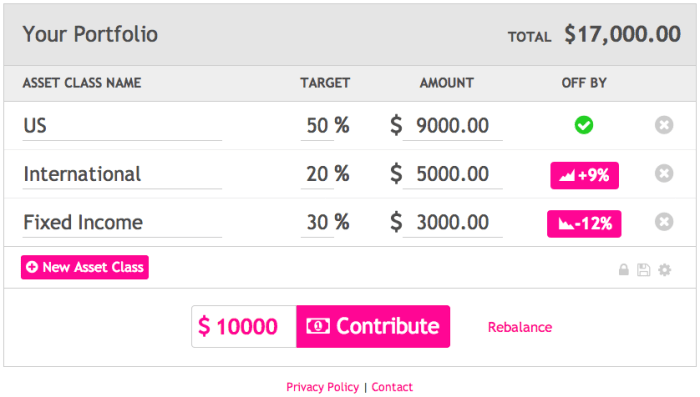
With the evolving financial landscape, high net worth individuals (HNWIs) are increasingly exploring alternatives to traditional asset management firms. These alternatives often offer innovative strategies, lower fees, and tailored services that align more closely with personal investment goals. Understanding these options is crucial for making informed decisions about wealth management.Several alternative investment management strategies have emerged to cater to the unique needs of HNWIs.
These strategies can range from private equity and hedge funds to real estate investments and direct ownership in businesses. Each alternative comes with its own set of advantages and challenges, necessitating careful consideration before commitment.
Robo-Advisors Versus Traditional Firms
Robo-advisors have surged in popularity as a technology-driven option for investment management. These platforms use algorithms to create and manage investment portfolios based on individual risk profiles and financial goals. They provide a notable contrast to traditional firms, which often rely on human advisors to tailor strategies. Below are the primary pros and cons of using robo-advisors compared to traditional asset management firms.
Pros of Robo-Advisors:
Lower Fees
Robo-advisors typically charge lower fees than traditional firms, often around 0.25% to 0.50% of assets under management (AUM), making them an attractive option for cost-conscious investors.
Accessibility
Many robo-advisors have low minimum investment requirements, allowing a broader range of HNWIs to access professional management.
Automation
Automated portfolio management offers convenience and disciplined investment strategies without the need for active involvement. Cons of Robo-Advisors:
Limited Personalization
Investment strategies can be less tailored since they rely heavily on algorithms and standardized portfolios.
Less Human Interaction
The lack of personal financial advisors may lead to missed insights that come from human experience and understanding of complex financial situations.
Potentially Less Flexibility
Robo-advisors may not adapt quickly to market changes or personal circumstances compared to a dedicated human advisor.
Comparison of Fees: Traditional Managers vs. Alternatives
An effective way to evaluate the cost of traditional asset management firms against alternatives is to compare their fee structures. Below is a summary of typical fee ranges for traditional asset managers versus alternative investment options, including robo-advisors.
| Type of Manager | Fee Structure |
|---|---|
| Traditional Asset Manager | 1%
|
| Robo-Advisor | 0.25%
|
| Private Equity Fund | 2% management fee and 20% performance fee |
| Hedge Fund | 1.5%
|
| Real Estate Investment Trust (REIT) | 0.5%
|
Understanding fee structures is critical for high net worth individuals to maximize their investment returns.
This comparison emphasizes the cost-effectiveness of alternatives like robo-advisors and showcases the often higher fee structures associated with traditional asset managers, private equity, and hedge funds. In making investment decisions, HNWIs should weigh these fees against the potential benefits of each management option.
Negotiating Fees with Asset Management Firms
Negotiating fees with asset management firms can significantly impact the long-term growth of a high net worth individual’s investment portfolio. High net worth individuals often have more leverage in negotiations due to the substantial assets they bring. Understanding the strategies and considerations involved in these negotiations can lead to significant savings and better service.When entering negotiations, clients should first evaluate their current fee structure and understand the services they’re receiving in return.
Transparency and clarity are key components of a successful negotiation. Here are some strategies and considerations for high net worth individuals when negotiating fees with asset management firms:
Strategies for Negotiation
A well-informed approach can lead to favorable terms. The following strategies can help high net worth individuals effectively negotiate lower fees:
- Research Market Rates: Understanding the average fees charged in the industry allows clients to benchmark their current fees and present a strong case for lower rates.
- Leverage Assets Under Management: Larger portfolios typically attract lower percentage fees. Clients should highlight their assets to negotiate a better rate.
- Be Clear About Expectations: Clearly communicate investment goals and service expectations. Firms may be willing to adjust fees to secure a client aligned with their strategic interests.
- Consider Bundling Services: If clients need multiple services, negotiating a bundled fee may yield savings compared to paying for each service separately.
- Utilize Competitor Offers: If clients receive lower fee proposals from competing firms, they can use these offers to negotiate with their current asset manager.
Considerations During Negotiation
Understanding the nuances of fee structures and the relationship with the asset management firm is essential during negotiations. Here are key considerations clients should keep in mind:
- Service Quality: Ensure that any fee reduction does not compromise the quality of service. The balance between cost and service quality is crucial.
- Long-term Relationships: Consider the importance of a long-term partnership. A good relationship can lead to better terms and responsiveness.
- Fee Transparency: Demand a clear breakdown of fees. Understanding how fees are calculated can reveal areas for negotiation.
- Contract Terms: Review the terms of service and any penalties for early withdrawal. Flexible terms may be worth a slightly higher fee.
- Performance-Based Fees: Consider negotiating for performance-based fees, which align the interests of the manager with the client’s investment goals.
Real-Life Examples of Fee Negotiations, Asset Management Firm Fees High Net Worth
Several high net worth individuals have successfully negotiated fees with asset management firms, resulting in significant savings. For example, a client with $10 million in assets approached a leading asset management firm with a competing offer from another firm charging 0.75% instead of the 1% they were paying. By leveraging this information, the client negotiated a new fee of 0.85%, saving $10,000 annually.In another instance, a high net worth individual with a diverse portfolio sought to bundle investment management and financial planning services.
Initially quoted separate fees of 1% for asset management and $5,000 for planning, they successfully negotiated a combined fee of 0.90% with a $3,000 planning fee, resulting in substantial yearly savings while maintaining comprehensive service.These examples underscore the importance of preparation and strategic negotiation in achieving favorable outcomes when dealing with asset management firms.
Regulatory Environment and Asset Management Fees
The regulatory framework surrounding asset management firms has become increasingly complex, reflecting a growing emphasis on transparency and investor protection. These regulations are crucial for high net worth individuals as they navigate the fees and services offered by asset management firms. Understanding these regulations can help investors make informed decisions about their asset management choices and the associated costs.Various regulations impact the fee structures within the asset management industry.
Regulatory changes can lead to adjustments in how fees are calculated, disclosed, and negotiated, ultimately influencing the cost of investment management for clients. This section provides an overview of the key regulations that shape the landscape of asset management fees and their implications for investors.
Key Regulations Affecting Asset Management Fees
An understanding of the current regulations is essential for evaluating asset management fees. The following table summarizes key regulations and their effects on fee structures:
| Regulation | Description | Impact on Fees |
|---|---|---|
| Investment Advisers Act of 1940 | Requires investment advisers to register with the SEC and adhere to fiduciary duty. | Increased transparency in fee disclosure; may lead to lower fees due to increased competition. |
| MiFID II | European regulation focusing on transparency in the financial services sector. | Separates research costs from trading fees; firms must disclose all costs, which can impact overall fee structures. |
| SEC Rule 206(4)-1 | Addresses advertising and performance claims by investment advisers. | Limits misleading fee structures; enforces clearer performance fees, potentially reducing high-performance fee models. |
| Fiduciary Rule (DOL) | Imposes a fiduciary standard on financial advisers, requiring them to act in their clients’ best interests. | May lead to reduced fees as advisers seek to avoid conflicts of interest; potential increase in fee transparency. |
Regulatory measures aim to enhance consumer protection while promoting competition within the asset management industry. As regulations evolve, they have the potential to reshape the fee landscape, ensuring that high net worth individuals receive fair and transparent service.
Conclusion
In conclusion, understanding Asset Management Firm Fees High Net Worth is vital for making sound investment decisions. By being aware of the various fees, advocating for transparency, and negotiating effectively, high net worth individuals can enhance their investment outcomes. As the regulatory environment evolves and alternative investment strategies emerge, continuous learning and adaptation will ensure that investors remain ahead in managing their wealth.
Popular Questions
What are typical fees charged by asset management firms?
Typical fees can include management fees, performance fees, and transaction costs, often varying based on the firm and the services provided.
How do fees impact long-term investment growth?
High fees can erode investment returns over time, significantly affecting growth, especially with compounding.
Can high net worth individuals negotiate fees?
Yes, many firms are open to negotiation, especially for high net worth clients, allowing them to potentially lower management fees.
Are there alternative investment strategies available?
Yes, alternatives such as robo-advisors and private equity can offer different fee structures and investment approaches suitable for high net worth individuals.
What should I look for in fee transparency?
Clients should seek clear disclosures of all fees and any potential hidden costs, along with an understanding of how these fees impact their overall investment.