Antivirus Software For Business Users Essential Guide
Antivirus Software For Business Users is a crucial aspect of maintaining cybersecurity in today’s digital landscape. With cyber threats on the rise, businesses must prioritize robust antivirus solutions to protect sensitive data and maintain operational integrity. The prevalence of malware, ransomware, and phishing schemes makes it clear that the right antivirus software is not just an option but a necessity for safeguarding company assets.
This guide explores the various types of antivirus solutions, key features to look for, and implementation strategies tailored specifically for business environments. Understanding these elements will enable organizations to make informed decisions about protecting their digital infrastructure.
Overview of Antivirus Software for Business Users
Source: techopedia.com
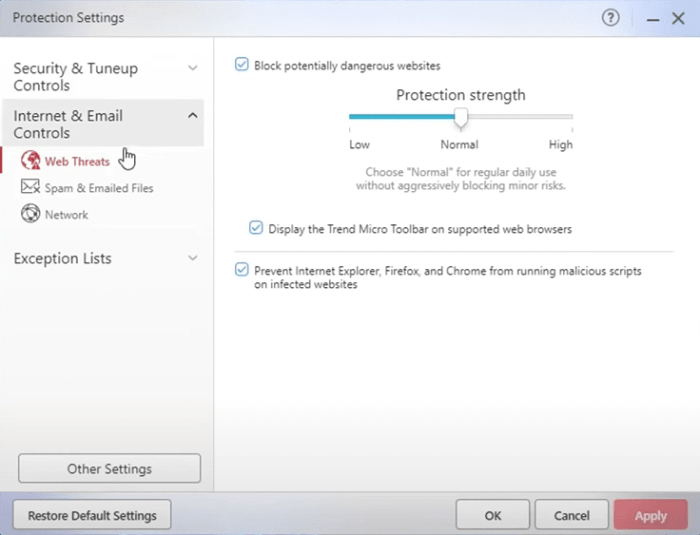
Antivirus software serves a critical role in protecting business environments from a plethora of cyber threats, ensuring the security of sensitive data and maintaining operational integrity. With the increasing reliance on digital systems, businesses, regardless of size, must prioritize the implementation of robust antivirus solutions to shield themselves against potential security breaches.Inadequate antivirus protection can lead to devastating consequences for businesses.
A single malware infection can result in data loss, operational downtime, and significant financial impact. The average cost of a data breach for businesses can reach up to $3.86 million, according to the 2020 Cost of a Data Breach Report by IBM. Furthermore, organizations may face reputational damage that can take years to recover from, affecting customer trust and loyalty.
Current Cyber Threat Landscape
The cyber threat landscape is continually evolving, with businesses facing an increasing number of sophisticated attacks. Recent statistics indicate that 43% of all cyber-attacks target small businesses, showcasing that no organization is too small to be a target. Ransomware attacks have surged by 150% in the past year, underscoring the urgency for robust antivirus solutions in protecting sensitive data.The following points highlight significant statistics related to cyber threats faced by businesses:
- Phishing Attacks: Approximately 1 in 4 organizations experienced a phishing attack in 2022, emphasizing the need for vigilant email security measures.
- Malware Incidents: Malware attacks account for 60% of all cyber incidents reported, making it one of the top threats to business networks.
- Data Breaches: 33 billion records were exposed through data breaches in 2020 alone, highlighting the potential fallout of inadequate antivirus measures.
- Increased Costs: Businesses that do not have a comprehensive antivirus solution spend an average of 1.6 times more on recovery from cyber incidents than those that do.
“The cost of prevention is always less than the cost of remediation.”
As cyber threats continue to escalate, the necessity for advanced and reliable antivirus software becomes increasingly clear. Businesses must not only invest in these solutions but also ensure they are continuously updated to combat new and emerging threats effectively.
Types of Antivirus Solutions Available
Antivirus solutions are essential for safeguarding business environments from various threats. Understanding the different types of antivirus solutions available can help businesses make informed decisions about the best fit for their security needs.Antivirus software has evolved significantly over the years, leading to distinct categories that cater to various organizational requirements. The primary types include traditional antivirus programs and advanced threat protection systems.
While traditional antivirus focuses on identifying and eliminating known malware, advanced threat protection employs more sophisticated techniques to detect and respond to both known and unknown threats in real-time.
Differences Between Traditional Antivirus and Advanced Threat Protection
Traditional antivirus solutions primarily rely on signature-based detection methods to identify malware. This approach involves maintaining a database of known threats, allowing the software to scan files and match them against those signatures. While effective against established malware, traditional antiviruses may falter against zero-day vulnerabilities and advanced persistent threats (APTs).Advanced threat protection, on the other hand, utilizes various techniques such as behavioral analysis, machine learning, and sandboxing.
These methods enable the software to analyze the behavior of files and applications to identify anomalies that may indicate a threat. This proactive stance allows businesses to mitigate risks from sophisticated attacks that might evade traditional antivirus solutions.
Comparison of Cloud-Based Antivirus Solutions with On-Premises Software, Antivirus Software For Business Users
The choice between cloud-based antivirus solutions and on-premises software is crucial for businesses. Cloud-based antivirus offers the flexibility of remote access and automatic updates, reducing the burden on IT departments. This model allows organizations to scale their cybersecurity efforts easily, adapting to changing needs without significant upfront costs.Conversely, on-premises antivirus solutions provide businesses with greater control over their data and security settings.
This option may be preferable for organizations with strict compliance requirements or sensitive data that they prefer to keep within their own infrastructure. However, managing these solutions can require more resources and regular maintenance.
Popular Antivirus Software Options Tailored for Business Use
Choosing the right antivirus software is vital for business security. Below is a list of some of the most reputable antivirus solutions designed specifically for the needs of businesses:
- Symantec Endpoint Protection: Known for its comprehensive security features, including advanced threat protection and management tools.
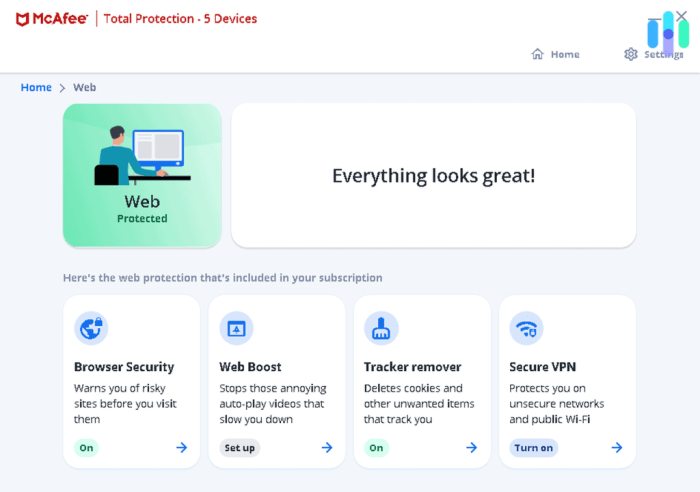
- McAfee Total Protection: Offers a range of features, including web protection, encryption, and mobile device security.
- Kaspersky Endpoint Security: Provides multi-layered security with strong detection capabilities and centralized management.
- Bitdefender GravityZone: Combines advanced threat protection with risk management and compliance tools.
- Panda Security: Features a cloud-based management console and a strong focus on endpoint protection.
- Trend Micro Apex One: Offers automated detection and response capabilities with a strong emphasis on user-friendly management.
These antivirus solutions offer various features to cater to different business sizes and industries, ensuring adequate protection against the evolving threat landscape.
Key Features to Look for in Antivirus Software
Source: techopedia.com
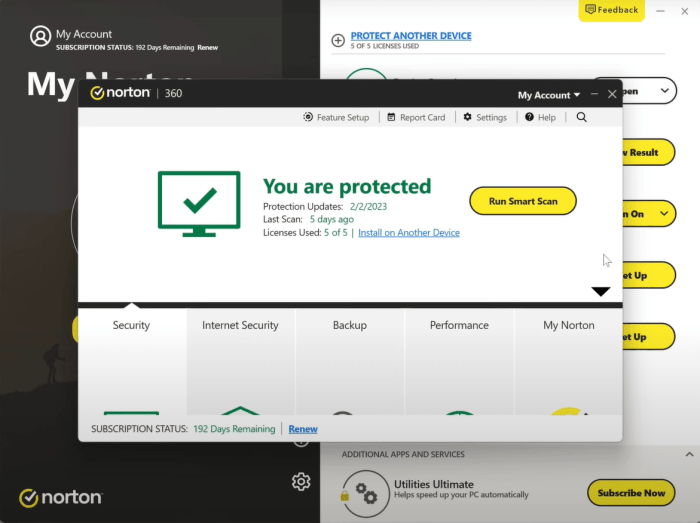
When selecting antivirus software for business users, it’s vital to focus on features that provide robust protection and enhance overall security. The right antivirus solution not only defends against malware but also supports ongoing business operations by minimizing downtime and safeguarding sensitive information. Understanding key features can help organizations make informed decisions that align with their security needs.One of the essential aspects of an antivirus solution is its ability to offer comprehensive protection that evolves with emerging threats.
This includes multiple layers of security to defend against various types of cyber risks while ensuring seamless operation. In evaluating antivirus software, consider the following features as critical for business users:
Real-Time Scanning and Automatic Updates
Real-time scanning is a fundamental feature that ensures files and applications are continuously monitored for any malicious activity. This proactive approach significantly reduces the risk of infections before they can cause damage. Automatic updates complement this by ensuring the antivirus software is always equipped with the latest virus definitions and security patches. This minimizes vulnerabilities and enhances the effectiveness of the protection offered.
“Real-time scanning combined with automatic updates creates a formidable defense against evolving cyber threats.”
To illustrate the importance of these features, many modern antivirus solutions provide options for scheduled scans that run during non-business hours, thus maintaining productivity without compromising security. Additionally, the frequency of updates can vary; solutions that update multiple times a day offer the highest level of protection, adapting quickly to new threats.
Firewall Integration
Firewall integration is another critical feature that enhances the effectiveness of antivirus software. A firewall acts as a barrier between the internal network and external threats, monitoring incoming and outgoing traffic to prevent unauthorized access. When integrated with antivirus solutions, it creates a multi-layered security approach that can significantly reduce the risk of data breaches.
“Combining antivirus software with a robust firewall creates a comprehensive security posture for businesses.”
The integration of firewall features can also provide businesses with additional functionalities, such as application control and web filtering. These functions help manage employee internet usage, prevent access to malicious websites, and protect sensitive data from being transmitted insecurely. Some advanced firewalls even offer intrusion detection systems (IDS) that can identify suspicious activity in real-time, allowing for immediate remediation actions.In summary, when selecting antivirus software for business users, prioritize features such as real-time scanning, automatic updates, and firewall integration.
These elements not only enhance protection against malware but also streamline operations and safeguard vital business information. This strategic focus on comprehensive security measures is essential for mitigating risks in an increasingly digital landscape.
Implementation Strategies for Antivirus Software
Implementing antivirus software across a business network is a critical step in safeguarding sensitive data and ensuring operational continuity. This process involves careful planning and execution to minimize disruptions while maximizing security. By establishing a comprehensive strategy, businesses can effectively deploy antivirus solutions tailored to their specific needs.The deployment of antivirus software should encompass several well-defined steps to ensure thorough coverage and protection across the network.
First, it is essential to assess the current security posture by identifying existing vulnerabilities and areas requiring enhanced protection. Following this assessment, appropriate antivirus solutions should be selected based on the size of the organization and the complexity of its network.
Steps to Deploy Antivirus Software Across a Business Network
The deployment of antivirus software requires methodical planning and execution. The following steps are crucial for a successful implementation:
1. Assessment of Network Infrastructure
Evaluate the current network setup, including servers, workstations, and mobile devices to identify protection requirements.
2. Selection of Antivirus Solutions
Choose an antivirus solution that aligns with the company’s needs, considering factors such as scalability, ease of use, and specific features.
3. Installation Planning
Develop an installation plan that includes timelines and resource allocation, ensuring minimal disruption to business operations.
4. Configuration of Software
Properly configure antivirus settings based on the organization’s security policies, focusing on scanning schedules, real-time protection, and update frequencies.
5. Deployment
Implement the software across all devices, either through direct installation or via centralized management tools.
6. User Training
Educate employees on the importance of antivirus software and how to recognize potential threats, fostering a culture of cybersecurity awareness.
Best Practices for Configuring Antivirus Settings
Correctly configuring antivirus settings plays a vital role in optimizing the performance and effectiveness of the software. Following these best practices can significantly enhance the overall security posture:
Enable Real-Time Protection
Always keep real-time scanning active to identify potential threats as they occur.
Schedule Regular Scans
Set up automatic scans during off-peak hours to ensure systems are regularly checked without affecting productivity.
Adjust Sensitivity Levels
Fine-tune the sensitivity settings based on organizational risk levels to balance performance and security.
Implement Automatic Updates
Ensure that the antivirus software updates automatically to defend against the latest threats without requiring manual intervention.
Utilize Exclusion Lists
Create exclusion lists for trusted applications and files to prevent unnecessary alerts and improve system performance.
Timeline for Regular Updates and Maintenance of Antivirus Systems
Creating a structured timeline for regular updates and maintenance is essential for the ongoing effectiveness of antivirus systems. A proactive approach to updates helps mitigate security risks associated with emerging threats.
Daily
Check for software updates to ensure the antivirus solution is equipped with the latest virus definitions and security patches.
Weekly
Conduct full system scans to identify and address any potential threats that may have slipped through.
Monthly
Review and adjust antivirus settings based on the evolving threat landscape and business requirements.
Quarterly
Assess the overall effectiveness of the antivirus solution through reporting and analytics, making adjustments as necessary to enhance performance.
Annually
Re-evaluate the antivirus solution in light of new technologies and threats, considering potential upgrades or changes to better align with business goals.Implementing these strategies effectively ensures that the antivirus software not only protects the organization but also adapts to the changing cybersecurity landscape.
Cost Considerations for Antivirus Solutions
When evaluating antivirus software for business, understanding the cost implications is essential. The financial investment in cybersecurity solutions can vary significantly based on the type of software chosen, the size of the organization, and the level of protection needed. Properly budgeting for antivirus software can help mitigate risks associated with data breaches and malware attacks, ultimately safeguarding a company’s financial health.Assessing the costs associated with antivirus software involves examining different pricing models, such as subscription-based versus one-time purchase options.
Each model has its advantages and potential drawbacks, impacting overall financial planning for a business.
Subscription vs. One-Time Purchase Models
Both subscription-based and one-time purchase antivirus solutions have distinct characteristics that can affect a business’s budget. Here’s a breakdown of each model:
- Subscription Model:
This model typically involves annual or monthly fees, allowing businesses to pay for updates and support continuously. It provides ongoing access to the latest security features and threat intelligence.Businesses often find this model manageable as it spreads costs over time.
- One-Time Purchase Model:
A one-time fee is paid for a perpetual license that does not require recurring payments. However, this model may involve additional costs for updates and support after the initial purchase.This approach can lead to higher upfront costs and potential additional expenses down the road.
Understanding these models helps businesses choose the best fit based on their financial strategy and operational needs.
Comparison of Pricing Plans from Different Antivirus Vendors
To aid in decision-making, here’s a comparison table showcasing various pricing plans from leading antivirus vendors, which illustrates the financial investment required for each option:
| Vendor | Subscription Price (Annual) | One-Time Purchase Price | Features Included |
|---|---|---|---|
| Vendor A | $50 per device | $120 per device | Real-time protection, firewall, VPN |
| Vendor B | $45 per device | $100 per device | Malware removal, web protection, 24/7 support |
| Vendor C | $60 per device | $150 per device | Advanced threat detection, cloud backup |
This table allows businesses to assess the costs associated with different antivirus solutions and determine which vendor aligns best with their needs and budget. By comparing features alongside pricing, companies can make informed decisions that protect their assets while managing expenses efficiently.
Training Employees on Antivirus Best Practices
Source: security.org
Educating employees about antivirus best practices is a crucial component in the overall security strategy for businesses. As the first line of defense against cyber threats, staff must be aware of the potential risks and know how to mitigate them effectively. By fostering a strong understanding of antivirus software and safe computing habits, organizations can significantly reduce the likelihood of successful cyber attacks.An essential aspect of training involves teaching employees to recognize potential threats.
This includes understanding phishing emails, malicious attachments, and unsafe downloads. Regular workshops, online courses, or interactive seminars can be effective ways to engage employees and enhance their knowledge.
Checklist for Safe Computing Practices
Creating a checklist for employees can serve as a practical tool to promote safe computing practices. This list should be easily accessible, whether in digital format or posted within the workplace. The following points highlight crucial practices that should be included:
- Always validate the sender’s email address before opening emails or attachments.
- Use strong, unique passwords for different accounts and change them regularly.
- Keep antivirus software updated and perform regular scans of the system.
- Be cautious when clicking on links, especially from unknown sources.
- Avoid using public Wi-Fi networks for accessing sensitive business information.
- Report any suspicious emails or activities to the IT department immediately.
- Regularly back up important data to prevent loss in case of an attack.
Sharing this checklist during training sessions and encouraging employees to refer to it frequently can help reinforce good practices.
Fostering a Culture of Cybersecurity Awareness
Establishing a culture of cybersecurity awareness within an organization is vital for maintaining robust protections against cyber threats. Communication and engagement are key elements in achieving this. Here are some effective strategies to cultivate such a culture:
- Regularly share updates on the latest cybersecurity threats and trends with employees.
- Encourage open discussions about security concerns and suggestions for improvement.
- Recognize and reward employees who demonstrate exemplary security practices.
- Implement a “cybersecurity champion” program where select employees advocate for safe practices within their teams.
- Utilize gamification techniques, such as quizzes and challenges, to make learning about security engaging.
By continuously reinforcing the importance of cybersecurity and involving employees in the process, organizations can effectively minimize risks and enhance their overall security posture.
Evaluating Antivirus Software Performance
In the modern business landscape, evaluating the performance of antivirus software is crucial for ensuring that your organization remains protected against ever-evolving cyber threats. By establishing key metrics and conducting regular reviews, businesses can maintain an effective defense strategy and adapt to new challenges in cybersecurity.To accurately assess the effectiveness of antivirus software, it’s essential to track various metrics that provide insight into its performance.
These metrics help organizations understand how well their antivirus solutions are performing and highlight areas for improvement. The following list Artikels the critical metrics that should be monitored:
Key Metrics for Performance Evaluation
Tracking specific metrics allows businesses to gauge the effectiveness of their antivirus solutions. The following points Artikel important metrics to consider:
- Detection Rate: Measures the percentage of known threats detected by the antivirus software. A high detection rate indicates effective protection.
- False Positive Rate: The frequency at which legitimate files are incorrectly flagged as threats. Lower rates suggest better accuracy.
- Response Time: The time taken by the antivirus to respond to detected threats. Rapid response is crucial for minimizing damage.
- System Impact: Evaluates how the antivirus software affects system performance, including speed and resource usage. Minimal impact is desirable.
- Update Frequency: The regularity of virus definition updates. Frequent updates help ensure protection against new threats.
Periodic reviews and updates are vital for maintaining the efficacy of antivirus solutions. Businesses should not only rely on initial assessments but also engage in ongoing evaluations to adapt to new threats and technologies. This process includes:
Importance of Periodic Reviews
Regular reviews help identify any deficiencies in the antivirus software and facilitate adjustments to keep pace with the changing cybersecurity landscape. Key aspects of these reviews include:
- Performance Assessment: Regularly analyzing metrics such as detection rates and false positives helps maintain optimal performance levels.
- Threat Landscape Analysis: Understanding emerging threats ensures that antivirus solutions are equipped to handle new attack vectors.
- Software Updates: Ensuring that the antivirus software is regularly updated enhances its ability to tackle the latest threats.
- Training Updates: Regular training sessions for employees on new threats and best practices keep the human element of security strong.
To facilitate effective reporting on antivirus performance, businesses can utilize a structured template. This helps streamline the assessment process and ensures that all relevant information is captured for analysis. Below is a basic template that can be adapted for reporting:
Performance Reporting Template
This template provides a framework for reporting on the performance of antivirus systems:
| Metric | Current Value | Previous Value | Target Value | Comments |
|---|---|---|---|---|
| Detection Rate | [Insert Current Value] | [Insert Previous Value] | [Insert Target Value] | [Insert Comments] |
| False Positive Rate | [Insert Current Value] | [Insert Previous Value] | [Insert Target Value] | [Insert Comments] |
| Response Time | [Insert Current Value] | [Insert Previous Value] | [Insert Target Value] | [Insert Comments] |
| System Impact | [Insert Current Value] | [Insert Previous Value] | [Insert Target Value] | [Insert Comments] |
| Update Frequency | [Insert Current Value] | [Insert Previous Value] | [Insert Target Value] | [Insert Comments] |
Incorporating this structured approach to evaluating antivirus software performance not only enhances security but also fosters a proactive culture towards cybersecurity in the workplace.
Addressing Common Challenges with Antivirus Software
When implementing antivirus solutions, businesses often encounter a range of challenges that can impact their overall security posture. Identifying these challenges is crucial for maintaining an effective antivirus strategy. By understanding common issues and exploring solutions, organizations can ensure that their antivirus software operates smoothly and effectively within their IT ecosystem.
Potential Challenges Businesses May Face
Several challenges can arise when using antivirus solutions, and recognizing these issues helps in proactive management. Some of the most common challenges include:
- Performance Degradation: Antivirus software can slow down system performance, particularly during scans or updates.
- False Positives: Legitimate files may be incorrectly flagged as threats, leading to unnecessary disruptions.
- Compatibility Issues: Antivirus software may conflict with existing applications or other security tools, causing operational issues.
- Resource Consumption: High CPU and memory usage during antivirus operations can affect productivity.
- Regular Updates and Maintenance: Keeping software updated can be cumbersome, and outdated antivirus solutions are vulnerable to new threats.
Troubleshooting Methods for Common Antivirus Issues
Addressing common antivirus issues requires effective troubleshooting methods. Implementing structured approaches can minimize disruptions and improve software performance. Key troubleshooting methods include:
- Restart the System: A simple restart can resolve temporary issues caused by the antivirus software.
- Update the Software: Ensure that the antivirus is up to date to benefit from the latest virus definitions and enhancements.
- Check for Conflicts: Review system logs and settings to identify and resolve conflicts between different software applications.
- Adjust Settings: Modify settings to balance security and performance, such as scheduling scans during off-peak hours.
- Consult Documentation: Refer to the antivirus vendor’s support resources for specific troubleshooting steps related to your software.
Strategies for Managing Conflicts Between Antivirus Software and Other IT Systems
Managing conflicts between antivirus software and other IT systems is vital for seamless operations. Here are strategies to mitigate such conflicts:
- Whitelist Applications: Add trusted applications to the antivirus whitelist to prevent them from being blocked.
- Regularly Review Policies: Keep security policies updated to align with software changes and organizational requirements.
- Conduct Compatibility Testing: Before deploying new software, test its compatibility with existing antivirus solutions.
- Implement Layered Security: Use multiple security measures (firewalls, intrusion detection) to reduce reliance on antivirus alone.
- User Training: Educate employees on identifying potential conflicts and reporting them promptly to the IT department.
“Proactive management of antivirus solutions can significantly reduce the risk of conflicts and enhance system performance.”
Final Review
In conclusion, the selection and implementation of the right antivirus software can significantly enhance a business’s security posture. By understanding the types of solutions available, key features, and best practices for deployment and employee training, companies can effectively mitigate risks associated with cyber threats. Remember, investing in quality antivirus software is an investment in your business’s future and resilience.
Query Resolution: Antivirus Software For Business Users
Why is antivirus software important for businesses?
Antivirus software is vital for businesses as it protects sensitive data, prevents malware infections, and ensures compliance with data protection regulations.
How often should antivirus software be updated?
Antivirus software should be updated regularly, ideally automatically, to defend against the latest threats and vulnerabilities.
Can businesses rely solely on antivirus software for protection?
No, antivirus software should be part of a comprehensive cybersecurity strategy that includes firewalls, regular backups, and employee training.
What should businesses do if their antivirus software detects a threat?
Businesses should follow their incident response plan, isolate affected systems, and conduct a thorough analysis to mitigate any potential damage.
Are cloud-based antivirus solutions more effective than traditional ones?
Cloud-based antivirus solutions can offer real-time updates and better scalability, making them often more effective in dynamic business environments compared to traditional ones.