Enterprise CRM Software Pricing Comparison Insights
With Enterprise CRM Software Pricing Comparison at the forefront, navigating the landscape of customer relationship management can seem daunting. Companies of all sizes rely on these systems to streamline operations and enhance customer interactions, but understanding the pricing structures can be equally vital. This overview highlights key features of enterprise CRM software, illustrating its significance for large organizations and how pricing can fluctuate based on various factors.
In this discussion, we will explore what drives CRM software costs, compare different pricing models, and examine popular vendors to provide clarity. Whether you’re a business leader looking to invest in CRM solutions or simply curious about the subject, this comprehensive analysis will guide you through the essential aspects of pricing in the CRM domain.
Overview of Enterprise CRM Software: Enterprise CRM Software Pricing Comparison
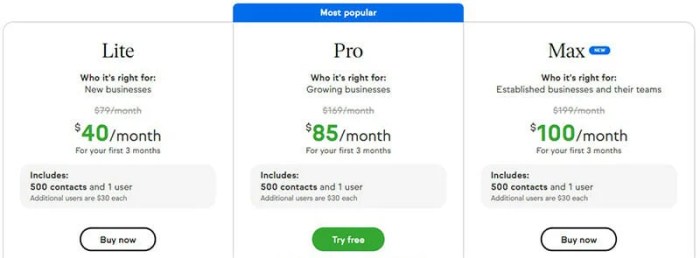
Source: founderjar.com
Enterprise CRM software refers to comprehensive platforms designed to streamline and enhance the customer relationship management processes within large organizations. The primary purpose of these systems is to centralize customer data, improve communication, and automate various business operations, ultimately leading to increased efficiency and better customer experiences.Key features of enterprise CRM solutions typically include contact management, sales automation, lead management, reporting and analytics, customer service tools, and integration capabilities with other business systems.
These functionalities empower organizations to manage their customer interactions more effectively and make data-driven decisions that can significantly influence business growth and customer satisfaction.
Key Features of Enterprise CRM Solutions
Understanding the essential features of enterprise CRM software is crucial for organizations looking to implement or upgrade their systems. These features can provide significant advantages and optimize business processes. The following are some core functionalities:
- Contact Management: A centralized database for storing and managing all customer information, which facilitates easy access and updates.
- Sales Automation: Tools that automate repetitive sales tasks, enabling sales teams to focus on building relationships and closing deals.
- Lead Management: Features that help track and nurture leads throughout the sales funnel, improving conversion rates.
- Reporting and Analytics: Advanced reporting tools that provide insights into sales performance, customer behavior, and market trends.
- Customer Service Tools: Solutions designed to manage customer inquiries and support requests effectively, enhancing customer satisfaction.
- Integration Capabilities: The ability to connect with other business applications, such as marketing automation, accounting software, and e-commerce platforms, for seamless data flow.
Enterprise CRM software is not just a tool; it’s a strategic asset that drives growth and enhances customer relationships.
The importance of CRM software for large organizations cannot be overstated. It serves as a backbone for managing customer interactions, ensuring that all departments have access to the same up-to-date information, which promotes collaboration and reduces the risk of data silos. This holistic view of customer interactions enables organizations to personalize their approach, thereby increasing customer loyalty and improving retention rates.
Furthermore, the automation of processes minimizes manual effort, reduces errors, and allows teams to allocate their time towards more strategic initiatives. In a competitive landscape, leveraging CRM software effectively can provide a significant edge, fostering long-term business success.
Factors Influencing CRM Software Pricing
Understanding the pricing of enterprise CRM software goes beyond just looking at a single number; it involves a variety of factors that can significantly impact costs. Various elements can affect the final price, from the level of customization to the scale of the business utilizing the software. By diving into these factors, businesses can make more informed decisions when choosing the right CRM solution.
Primary Factors Affecting Pricing
Several critical factors influence the pricing of CRM software. Each element can vary widely between different software providers, leading to a broad spectrum of pricing options available in the market. Here are the main aspects to consider:
- Feature Set: The more features and functionalities a CRM provides, the higher the cost usually is. Advanced features like marketing automation, advanced analytics, and AI capabilities can increase pricing significantly.
- Deployment Model: CRM software can be cloud-based or on-premise. Cloud solutions often come with subscription fees that can accumulate over time, while on-premise solutions may require higher upfront costs.
- Support and Maintenance: Ongoing support, updates, and maintenance can add to the total cost. Some providers offer these as part of the package, while others may charge extra.
Impact of Customization on Software Costs
Customization plays a pivotal role in how much businesses will end up spending on their CRM systems. The ability to tailor the software to meet specific needs can significantly enhance its value, but this often comes at a price.
- Customization Complexity: The more complex the customization required, the higher the development costs. Simple adjustments may have minimal fees, while extensive custom features can lead to significant increases in pricing.
- Integration Needs: Customization often involves integrating the CRM with existing systems. This can further drive up costs as it may require specialized knowledge and additional resources.
- Long-term Maintenance: Customized solutions may require ongoing support and updates tailored to the specific needs of the business, adding to long-term expenses.
Influence of Business Size and Scale on Pricing
The size and scale of a business are crucial factors in determining CRM software pricing. Pricing models often take into account the number of users, the volume of data, and the overall complexity of operations.
- User Count: Pricing models typically scale with the number of users. More users usually mean higher subscription costs, especially in per-user pricing structures.
- Data Volume: Larger organizations often deal with more data, which can necessitate higher-tier plans that accommodate larger databases and advanced analytics capabilities.
- Business Complexity: Companies with more complex sales processes or multiple departments may require more advanced CRM features, which can lead to higher costs compared to small businesses with straightforward needs.
Pricing Models for Enterprise CRM Software
Source: vipecloud.com
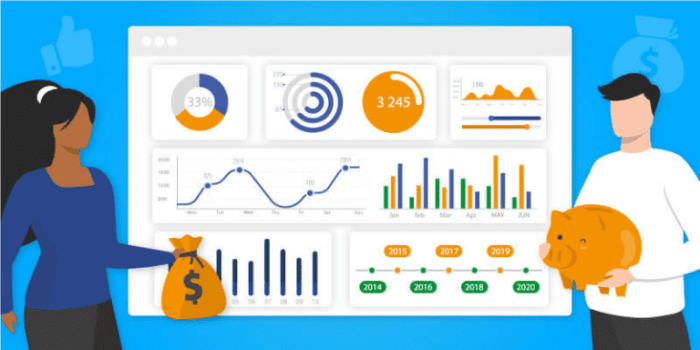
The pricing models for enterprise CRM software can significantly influence a company’s budgeting and long-term financial planning. Understanding these models is crucial for businesses looking to optimize their customer relationship management strategies while keeping an eye on costs. Various pricing structures cater to different organizational needs and financial capabilities, making it essential to explore the options thoroughly.
Common Pricing Models for CRM Software
Several pricing models exist for CRM software, each with its own set of advantages and drawbacks. The two most prevalent models are subscription-based and perpetual licensing. Understanding these models helps organizations choose the best fit based on their operational requirements and financial strategy.
- Subscription-Based Pricing: This model typically involves monthly or annual payments for software access. It allows companies to scale their usage easily based on their needs. Vendors often provide ongoing support and updates as part of the package, ensuring that users have access to the latest features.
- Perpetual Licensing: In this model, organizations purchase a license for the software outright, resulting in a one-time payment. This approach may lead to lower long-term costs but can also require substantial upfront investment. Users are responsible for their own updates and maintenance after the initial purchase.
Comparison of Subscription-Based vs. Perpetual Licensing Models
Examining the pros and cons of each pricing model provides valuable insight into which might be more beneficial for your organization. Each model serves different business needs and financial strategies.
| Criterion | Subscription-Based | Perpetual Licensing |
|---|---|---|
| Initial Cost | Lower upfront costs; pay monthly or annually. | Higher upfront investment; one-time payment for the license. |
| Ongoing Costs | Continuous payments required; can lead to higher total costs over time. | No ongoing fees once purchased; potential savings in the long run. |
| Updates | Regular updates included; always access to the latest features. | Updates not included; may require additional costs for upgrades. |
| Flexibility | Highly flexible; can adjust subscriptions based on user needs. | Less flexibility; locked into the purchased license. |
Examples of Popular CRM Vendors and Their Pricing Structures
Different CRM vendors adopt various pricing structures, reflecting their target markets and the functionalities they provide. Here are some well-known CRM vendors and an overview of their pricing:
- Salesforce: Offers a subscription model with tiered pricing starting from around $25 per user per month for basic services to over $300 for advanced features.
- HubSpot: Employs a freemium model where basic features are free, with premium plans starting at approximately $50 per user per month for more advanced tools.
- Microsoft Dynamics 365: Uses a subscription-based approach with pricing beginning at about $65 per user per month, scaling based on additional features.
- Zoho CRM: Provides a competitive subscription model starting at $12 per user per month, offering various tiers for increased functionality.
Comparison of Popular Enterprise CRM Software
Source: vipecloud.com
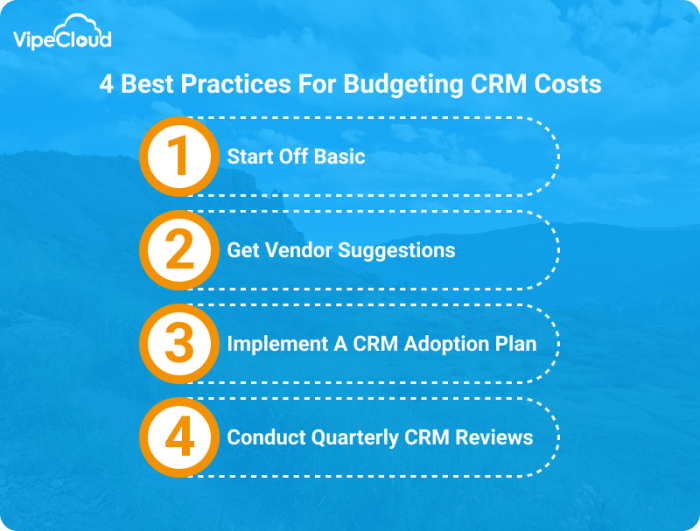
When businesses embark on the journey of selecting an Enterprise Customer Relationship Management (CRM) software, comparing various options becomes essential. The right CRM solution can streamline workflows, enhance customer interactions, and ultimately drive growth. To facilitate this decision-making process, we will explore a comparison table featuring major CRM software vendors, their pricing tiers, and the functionality and support that accompany each level.
CRM Software Pricing Comparison Table
The following table Artikels some of the most popular CRM software options available today, highlighting their pricing structures and key features included at different levels.
| CRM Software | Pricing Tiers | Starting Price | Key Features | Support Options |
|---|---|---|---|---|
| Salesforce | Essentials, Professional, Enterprise, Unlimited | $25/user/month | Lead tracking, reporting, automation, customizable dashboards | Email support, online help, community forums |
| HubSpot CRM | Free, Starter, Professional, Enterprise | $0 (Free tier) | Contact management, email tracking, meeting scheduling | Email support, knowledge base, community support |
| Zoho CRM | Free, Standard, Professional, Enterprise, Ultimate | $14/user/month | Sales automation, analytics, multichannel communication | Email support, phone support (Enterprise and Ultimate), online resources |
| Microsoft Dynamics 365 | Sales, Customer Service, Marketing, Field Service | $65/user/month | Sales insights, customer service tools, integration with Office 365 | Phone support, online help, extensive documentation |
| Oracle CX Cloud | Sales, Service, Marketing | Contact for pricing | AI-driven insights, customer engagement tools, customizable workflows | 24/7 support, dedicated account management (premium tiers) |
The comparison table provides an overview of major CRM vendors, showing that pricing can vary widely based on the features included and the level of support offered. For instance, while HubSpot offers a robust free tier, Salesforce and Microsoft Dynamics 365 come with comprehensive enterprise features at a higher price point.
Functionality and Support Across Pricing Tiers
Understanding the functionality and support at various pricing levels is pivotal for businesses to choose the right CRM solution that aligns with their needs. As illustrated in the comparison table: Salesforce provides advanced features like customizable dashboards and automation starting from the Essentials tier, making it suitable for small to medium businesses looking to scale. Higher tiers offer enhanced customization and additional support options.
- HubSpot CRM stands out with its free tier, making it an excellent choice for startups. As businesses grow, the paid tiers introduce more sophisticated tools like advanced reporting and marketing automation.
- Zoho CRM offers extensive features even at its lower pricing tiers, making it cost-effective for businesses aiming for growth without a heavy investment.
- Microsoft Dynamics 365 integrates seamlessly with Office 365, appealing to businesses already using Microsoft products. However, it comes at a higher starting price.
- Oracle CX Cloud targets larger enterprises that require sophisticated, AI-driven functionalities but may necessitate a more personalized budget discussion due to its custom pricing model.
Choosing the right CRM depends significantly on understanding both the features you need and the level of support your business will require as it scales.
Evaluating CRM Solutions Within Budget Constraints, Enterprise CRM Software Pricing Comparison
To effectively evaluate which CRM solution aligns with a business’s budget, several factors should be considered:
Identify Core Needs
Assess the basic functionalities required to meet business goals. For example, if lead management is a priority, ensure the selected CRM excels in that area.
Scalability
Consider whether the CRM can grow with your business. Solutions that offer tiered pricing are beneficial as companies expand and require more features.
Trial Periods
Many CRM providers offer free trials or demo versions. Utilizing these can help businesses gauge the software’s fit before committing financially.
Cost of Additional Features
Some CRMs may seem affordable at first glance, but hidden costs for add-ons can significantly impact the budget. Always evaluate the total cost of ownership.
Support Needs
Businesses should assess the level of support required. Some may only need basic email support, while others might require 24/7 assistance.By taking these considerations into account, businesses can make a more informed decision that aligns their CRM needs with their budgetary constraints.
Hidden Costs Associated with CRM Software
When considering the implementation of enterprise CRM software, businesses often focus on the obvious costs such as licensing fees and initial setup. However, there are several hidden costs that can significantly impact the overall budget. Understanding these potential expenses is crucial for accurate financial planning and ensuring a successful CRM deployment.Various factors contribute to hidden costs in CRM software, which can catch organizations off guard.
These include ongoing maintenance, necessary training, and additional feature implementations that may become essential as the business evolves. Companies must recognize that the initial investment is only a fraction of the total cost of ownership over time.
Ongoing Maintenance and Training Expenses
Regular maintenance and continuous training are critical for the effective utilization of CRM software. While some organizations may underestimate these expenses, they are vital for maximizing the software’s capabilities and ensuring user adoption. The following points highlight the associated costs:
- System Maintenance: Regular updates, security patches, and performance optimizations require dedicated IT resources or external support, leading to additional costs over time.
- User Training: As new features are introduced or if there are updates to the software, ongoing training sessions are necessary to keep users proficient, which can involve hiring external trainers or dedicating internal resources.
- Support Services: Many vendors offer different tiers of customer support. Opting for higher-tier support for issue resolution can incur greater expenses.
Additional Features and Customizations
The basic package of CRM software may not meet all business needs, leading to additional costs for enhanced features. Companies should be aware that many of these features, while beneficial, come at a price. Notable examples include:
- Advanced Analytics: Integrating sophisticated reporting and analytics tools often requires additional fees, which can vary by vendor.
- API Integrations: Connecting the CRM system with other business applications may necessitate custom integrations, usually resulting in extra charges.
- Mobile Access: Some vendors charge separately for mobile access features, which can be essential for teams on the go.
Understanding these hidden costs is essential for any organization planning to implement CRM software. By factoring in ongoing maintenance, training, and potential add-on features, businesses can create a more accurate budget and ensure they do not face unexpected financial challenges.
Cost-Benefit Analysis of CRM Investing
Investing in an enterprise Customer Relationship Management (CRM) system can seem daunting, especially when considering the initial costs involved. However, the potential return on investment (ROI) and myriad benefits can far outweigh these costs, making CRM a valuable asset for businesses aiming for growth and efficiency. Understanding this cost-benefit analysis is crucial for decision-makers who seek to enhance customer relationships while optimizing resources.The ROI from implementing an enterprise CRM system can be significant, encompassing various facets such as increased sales, improved customer satisfaction, and enhanced operational efficiency.
By streamlining processes and providing insights into customer behavior, CRM systems enable companies to make informed decisions that lead to revenue growth. The following are key benefits that justify the costs associated with CRM software:
Key Benefits of CRM Investments
These benefits illustrate why companies often view CRM systems as essential rather than optional investments:
- Increased Sales: Organizations that effectively leverage CRM systems can experience a substantial increase in sales productivity. For instance, companies that use CRM tools effectively can see an average sales increase of 29% and a 34% increase in sales forecast accuracy.
- Improved Customer Retention: With CRM systems, businesses can enhance customer engagement and loyalty. A study found that businesses using CRM solutions can improve customer retention rates by up to 27%.
- Enhanced Marketing Effectiveness: CRM tools allow for better segmentation and targeting in marketing campaigns, leading to higher conversion rates. Companies using CRM for managing campaigns report an increase in sales productivity by up to 40%.
- Streamlined Operations: Automating processes such as reporting and follow-ups with CRM systems helps reduce operational costs and increase employee efficiency. This can lead to cost savings of over 20% on administrative tasks.
- Data-Driven Decisions: CRM systems provide valuable insights into customer behavior and preferences, enabling businesses to make data-driven decisions that align with market trends and consumer demands.
Case Studies of Successful CRM Implementation
Several businesses have successfully leveraged CRM systems to achieve remarkable growth. These case studies highlight the transformative impact of CRM investments:
- Salesforce at Amazon: Amazon implemented Salesforce CRM to enhance tracking and management of customer interactions. This led to a more personalized customer experience, contributing to a notable increase in repeat sales and customer loyalty.
- Zendesk for Shopify: Shopify utilized Zendesk’s CRM capabilities to improve its customer support. The result was a 25% reduction in response time and a significant boost in customer satisfaction ratings, demonstrating how effective CRM can enhance service delivery.
- HubSpot for Trello: Trello adopted HubSpot to attract and retain users. With improved marketing automation and lead nurturing processes, Trello experienced a growth rate increase of 50% in new user sign-ups within the first year of implementation.
These examples illustrate how strategic CRM investments can not only justify their costs but also contribute substantially to overall business growth and customer satisfaction. Leveraging CRM systems enables businesses to stay competitive in an ever-evolving market landscape.
Future Trends in CRM Software Pricing
As the business landscape continues to evolve, so too does the pricing structure of enterprise CRM software. Understanding the future trends in CRM pricing is essential for organizations looking to invest wisely in technology that supports their growth and customer relationship management needs. The upcoming shifts in pricing models are driven not only by market demands but also by technological advancements reshaping how companies interact with their customers.Technological advancements are playing a crucial role in the evolution of CRM pricing strategies.
The integration of artificial intelligence (AI), machine learning (ML), and data analytics into CRM systems is redefining how value is perceived and delivered. This sophistication allows for more tailored pricing models that reflect the specific needs and behaviors of users. For instance, companies are increasingly adopting usage-based pricing, where customers pay based on the features they utilize and the volume of data processed.
This approach not only enhances scalability but also ensures that organizations only pay for what they need, making CRM systems more accessible to businesses of all sizes.
Emerging CRM Pricing Models
The shift towards innovative pricing models in CRM software is indicative of changing consumer expectations. Understanding these emerging models is vital for organizations aiming to stay competitive. Some notable trends include:
- Subscription-Based Pricing: Many CRM providers are moving away from traditional perpetual licenses towards subscription-based models. This shift allows for lower upfront costs and more predictable budgeting for businesses.
- Usage-Based Pricing: As mentioned, this model ties costs to the actual usage of the software, allowing organizations to scale their expenses according to their needs. For example, a company may pay less during offseason when customer interactions decrease.
- Freemium Models: Some providers offer basic functionality for free while charging for premium features. This model can attract users who may later convert to paying customers as their needs grow.
- Tiered Pricing Structures: Companies are increasingly offering different pricing packages based on features and services provided. This allows customers to select a package that best fits their requirements and budget.
The implications of these trends are significant. They promote flexibility and adaptability in CRM solutions, making them more aligned with the rapidly changing business environment. As organizations become more data-driven, the ability to understand customer needs and adjust CRM expenses accordingly will be crucial for maintaining profitability.
Impact of Cloud Technology on Pricing Strategies
The rise of cloud technology is a key driver influencing CRM pricing strategies. Cloud-based CRM solutions provide businesses with the opportunity to lower infrastructure costs while accessing advanced features. The implications of this shift include:
- Reduced Operating Costs: Cloud solutions eliminate the need for extensive on-premise hardware and maintenance, translating into lower costs for businesses.
- Increased Accessibility: Subscription models promoted by cloud technology allow organizations to access CRM functionalities from anywhere, making it easier for remote teams to collaborate and manage customer relationships.
- Scalability: Cloud CRM systems enable businesses to easily scale their usage up or down, responding to shifts in demand without incurring significant costs.
The future landscape of enterprise CRM software costs will be characterized by these adaptive pricing strategies, which will be more customer-centric and technology-driven. As companies seek to harness the power of CRM software, understanding these trends will be essential for making informed decisions that align with their operational goals and budgetary constraints.
Ending Remarks
In summary, understanding the pricing landscape of enterprise CRM software is crucial for making informed investment decisions. With various factors influencing costs, from customization to ongoing maintenance, businesses must evaluate their options carefully to find the best fit. As technology evolves, keeping an eye on emerging trends will also help organizations stay competitive and maximize their CRM investments.
Clarifying Questions
What is the average cost of enterprise CRM software?
The average cost can range from a few hundred to several thousand dollars per month, depending on features and user count.
Are there free CRM software options available?
Yes, many vendors offer free versions with limited features suitable for startups or small businesses.
How often do CRM software prices change?
Prices may change regularly due to market trends, new features, or vendor pricing strategies, so it’s wise to stay updated.
What should I consider when comparing CRM prices?
Consider not only the upfront costs but also ongoing maintenance, support, and potential hidden fees associated with customization.
Can small businesses benefit from enterprise CRM software?
Absolutely, small businesses can leverage enterprise CRM software to scale operations and improve customer engagement as they grow.