Medical Malpractice Lawyer Claim Amount Explained
Medical Malpractice Lawyer Claim Amount sets the stage for this enthralling narrative, offering readers a glimpse into a story that is rich in detail. Understanding medical malpractice claims is essential for anyone navigating the complex healthcare system, where negligence can lead to severe consequences. This discussion sheds light on the intricacies of how claim amounts are determined, the role of legal representation, and the various factors that influence the final compensation awarded to victims.
From understanding the common types of cases to recognizing the impact of injury severity, this overview will equip you with the knowledge necessary to understand your rights in the event of medical negligence. The process can be daunting, but with the right information, you can approach your case with confidence.
Understanding Medical Malpractice

Source: dreamstime.com
Medical malpractice occurs when a healthcare provider fails to deliver the standard of care that a reasonably competent provider would have given in a similar situation. This failure can lead to serious harm or injury to the patient, often resulting in the patient seeking legal recourse. The implications of medical malpractice within the legal system are significant, as they serve to hold healthcare providers accountable for negligence while simultaneously protecting patients’ rights to receive safe and effective care.Common types of medical malpractice cases arise from a variety of situations, often characterized by specific failures in treatment or diagnosis.
Understanding these types can help patients better recognize their rights and the potential for malpractice in their experiences with healthcare providers.
Common Types of Medical Malpractice Cases
Several key categories of medical malpractice cases illustrate the different ways in which healthcare providers can fail their patients. Each type highlights a distinct aspect of negligence that can lead to patient harm. The following list Artikels these common types:
- Misdiagnosis or Delayed Diagnosis: This occurs when a healthcare provider fails to accurately diagnose a patient’s condition or delays a diagnosis, leading to a lack of timely treatment.
- Surgical Errors: These include mistakes made during surgery, such as operating on the wrong body part, leaving surgical instruments inside a patient, or causing unintended injuries during the procedure.
- Medication Errors: These mistakes can involve prescribing the wrong medication, administering incorrect dosages, or failing to consider a patient’s allergies or drug interactions.
- Birth Injuries: Medical negligence during childbirth can result in serious injuries to the newborn or the mother, often stemming from improper monitoring or inadequate responses to complications.
The critical element in all these cases is the role of negligence. Essentially, negligence in medical malpractice claims refers to a healthcare provider’s failure to act with the level of care that a reasonably competent professional would exercise under similar circumstances. Understanding this concept is essential for establishing a valid claim.
Role of Negligence in Medical Malpractice Claims
Negligence is the cornerstone of any medical malpractice claim. It requires that three primary components be met: duty, breach, and damages.
A healthcare provider has a duty to provide care according to established medical standards. A breach occurs when that duty is not fulfilled, leading to damages suffered by the patient.
In practice, this means that the plaintiff must show that:
- Duty: The healthcare provider had a duty to the patient, established through a provider-patient relationship.
- Breach: The provider failed to meet the expected standard of care, which can be demonstrated through expert testimony or medical records.
- Damages: The patient suffered harm as a direct result of this breach, leading to physical, emotional, or financial consequences.
Proving negligence involves a thorough investigation of the standard of care applicable to the specific situation and an assessment of how the provider’s actions deviated from this standard. Legal claims for medical malpractice hinge on establishing this negligence, making it a crucial aspect of any case.
The Role of a Medical Malpractice Lawyer
Medical malpractice cases can be complex and emotionally charged, often involving the intersection of healthcare and legal systems. A medical malpractice lawyer plays a crucial role in navigating these intricate waters, ensuring that victims receive justice and appropriate compensation for their injuries. Their expertise not only aids clients in understanding their rights but also empowers them to take action against negligent medical practitioners.A medical malpractice lawyer’s primary responsibilities include evaluating cases, gathering evidence, consulting with medical experts, and representing clients in negotiations or court proceedings.
They meticulously assess the details of each case, determining whether there’s a viable claim based on the standard of care that should have been provided. This involves collecting medical records, obtaining witness statements, and sometimes collaborating with medical professionals to establish the extent of negligence.
Importance of Legal Representation in Medical Malpractice Claims
Having legal representation in medical malpractice claims significantly influences the outcome of the case. The complexity of these cases demands an understanding of both legal and medical terminology, requiring expertise that the average person may lack. The presence of a skilled medical malpractice lawyer can:
- Provide a strategy tailored to the specifics of the case, enhancing the likelihood of a favorable outcome.
- Negotiate effectively with insurance companies, who often seek to minimize payouts.
- Prepare and file necessary legal documents in a timely manner, ensuring compliance with relevant statutes and deadlines.
- Represent clients in court, presenting compelling arguments backed by evidence and expert testimony.
Engaging a lawyer not only empowers clients but also levels the playing field against well-resourced medical institutions.
Examples of Successful Case Strategies
Medical malpractice lawyers often employ various strategies to achieve successful outcomes for their clients. Understanding these strategies can illustrate the proactive approach lawyers take in building a compelling case.One successful strategy involves the use of expert witness testimony. In a notable case, a patient suffered severe complications after a surgical procedure. The lawyer brought in a renowned surgeon to testify about the standard of care, which bolstered the client’s claims of negligence.
Another effective strategy is leveraging settlement negotiations. In a case where improper medication was administered, the lawyer negotiated a settlement before the trial, allowing the client to receive compensation quickly and avoid the uncertainties of court proceedings.
Challenges Faced by Medical Malpractice Lawyers
Despite their expertise, medical malpractice lawyers encounter several challenges during cases. They must often contend with aggressive defense strategies employed by healthcare providers, who may deny negligence or argue that the injuries were a result of pre-existing conditions. Additionally, lawyers need to manage the emotional toll on their clients, as pursuing a medical malpractice claim can be a lengthy and stressful process.
They must balance the legal aspects of the case with the personal stories of their clients, ensuring that the human element of medical malpractice is never overlooked.In summary, medical malpractice lawyers serve a vital function in advocating for victims of negligence, employing strategic approaches and extensive legal knowledge to navigate the complexities of such claims. Their role not only involves legal representation but also ensuring that clients receive the support they need throughout the process.
Factors Influencing Claim Amounts: Medical Malpractice Lawyer Claim Amount
Source: lawmontana.com
Determining the amount awarded in medical malpractice claims involves several critical factors. Each case is unique, and the circumstances surrounding the malpractice incident can significantly impact the final settlement or verdict. Understanding these factors is essential for both claimants and legal practitioners as they navigate the complexities of medical malpractice claims.The severity of the injury is often the most significant factor influencing claim amounts.
More severe injuries usually lead to higher compensation due to increased medical expenses, longer recovery times, and greater long-term impact on the victim’s quality of life. Financial losses can accumulate quickly with extensive medical treatments, rehabilitation services, and potential loss of income.
Severity of Injury
The severity of injuries sustained in a medical malpractice case plays a pivotal role in determining the compensation amount. More serious injuries that result in long-term complications or permanent disabilities will typically result in larger settlements. The following elements are considered when assessing the severity of injury:
- Medical Expenses: Ongoing treatment, surgeries, and therapies can incur significant costs, influencing the total claim amount.
- Lost Wages: If the victim is unable to work due to their injury, the loss of income contributes to the overall claim, especially for those in high-earning positions.
- Pain and Suffering: Non-economic damages for physical pain, emotional distress, and loss of enjoyment of life can significantly raise claim amounts.
- Future Medical Needs: Anticipated future medical treatments and interventions also factor heavily into the total compensation sought.
Differences in Medical Specialties
Different medical specialties face varying risks and standards of care, which can lead to significant differences in claim amounts. Understanding these differences provides insights into the nature of malpractice claims across fields. In general, specialties that involve high-stakes procedures tend to have higher claim amounts due to the potential for severe outcomes. For instance:
- Surgical Specialties: Surgeons face significant risk during complex operations, and claims in this area often range from hundreds of thousands to millions of dollars, particularly in cases involving catastrophic injuries.
- Anesthesiology: Anesthesiologists are crucial in surgeries, and any negligence can lead to life-altering consequences, often resulting in higher settlement amounts.
- Obstetrics: Birth-related injuries can lead to severe consequences for both mother and child, driving up claim amounts due to extensive medical care and long-term implications.
- General Practice: While generally lower in claim amounts, cases involving misdiagnosis or failure to treat can still result in significant compensation, though typically less than surgical specialties.
Calculating Claim Amounts
Determining the potential amounts for medical malpractice claims can be a complex process. Various methods are employed to ensure that victims receive fair compensation for their losses. This calculation takes into consideration multiple factors, including medical expenses, lost wages, and emotional suffering, all of which contribute to the overall claim amount.Different methods are typically utilized to calculate potential claim amounts in medical malpractice cases.
These methods include the use of economic analysis, case law precedents, and expert testimony. Each method addresses different components of damages, ensuring a comprehensive assessment of the claimant’s losses.
Components of Compensation
Understanding the components of compensation is crucial for evaluating claim amounts. The following table Artikels the typical compensation components in medical malpractice cases:
| Compensation Component | Description |
|---|---|
| Medical Expenses | Costs associated with medical treatment required due to the malpractice, including hospital stays, surgeries, and medications. |
| Lost Wages | Income lost due to the inability to work while recovering from the injuries caused by malpractice. |
| Pain and Suffering | Compensation for physical pain and emotional distress resulting from the malpractice. |
| Future Medical Expenses | Projected costs for ongoing medical treatment required as a result of the malpractice. |
| Loss of Consortium | Compensation for the impact of the malpractice on a spouse or family member’s relationship. |
Estimating future medical expenses in malpractice claims involves several steps. Medical professionals often provide insights into the projected costs of ongoing treatment, rehabilitation, and necessary medications. This process may also include calculating the potential costs of future surgeries or therapies that the claimant might need, along with considering inflation and changes in healthcare costs over time. For instance, if a victim of medical malpractice requires lifelong therapy due to negligence, the future medical expenses could be estimated using current treatment costs multiplied by the expected duration of care.
“Accurate future medical expense projections are essential for ensuring adequate compensation in malpractice claims.”
Common Misconceptions about Claim Amounts
Many individuals harbor misconceptions regarding the expected amounts in medical malpractice claims. These misunderstandings can lead to unrealistic expectations and confusion when pursuing justice for medical errors. It is essential to clarify these myths to help potential claimants understand what they can realistically hope to achieve.One prevalent myth is that all malpractice claims result in substantial payouts. This notion can create inflated expectations among patients who believe that significant compensation is guaranteed following any medical error.
However, the reality is that the actual amounts awarded in such cases vary widely based on numerous factors.
Myths About High Compensation
Understanding the factors that contribute to inflated expectations regarding compensation is crucial. Here are some common misconceptions:
- Every Case Results in Large Settlements: Many people think that any claim will automatically lead to a significant financial reward. In truth, many cases are settled for smaller amounts or even dismissed due to lack of evidence.
- Successful Claims Always Cover All Damages: Some believe that compensation will cover all medical bills, lost wages, and pain and suffering. However, this is not always the case, as insurance caps and policy limits can restrict payout amounts.
- Juries Always Favor Plaintiffs: There’s a belief that juries are sympathetic to patients and will always side with them. Yet, juries can be unpredictable, and outcomes often depend on the specifics of the case and the effectiveness of legal representation.
- High Profile Cases Set the Standard: Media reports of large settlements can mislead individuals into thinking these amounts are typical. In reality, each case is unique, and the high-profile cases are often the exception rather than the rule.
- Claim Amounts are Fixed: Some individuals assume that claim amounts are predetermined. In reality, the compensation varies based on the evidence, the severity of the injury, and the specific circumstances surrounding the malpractice.
“Compensation in medical malpractice cases does not follow a one-size-fits-all model; each case’s uniqueness influences the potential outcomes.”
It is vital for those considering legal action to consult with a qualified medical malpractice lawyer who can provide accurate information about claims and set realistic expectations based on the specific factors of their situation. By dispelling these myths, patients can approach their claims with a clearer understanding of what they might expect in terms of compensation.
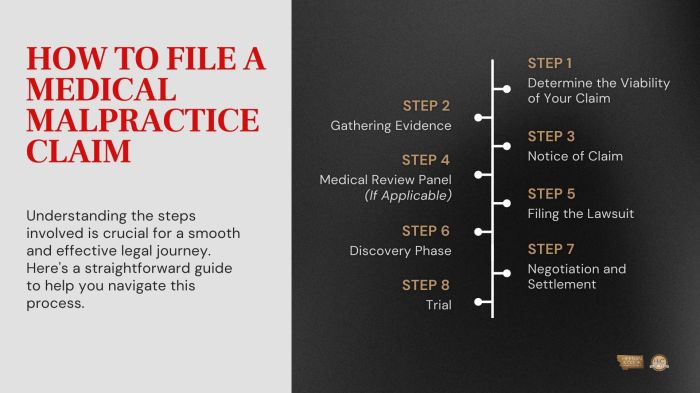
Steps to Filing a Medical Malpractice Claim
Filing a medical malpractice claim can be a complex and daunting process, but understanding the necessary steps can make it more manageable. It is crucial to follow a systematic approach to ensure that your claim is filed correctly and has the best chance of success. Below are the essential steps involved in filing a medical malpractice claim.
Initial Consultation with a Medical Malpractice Lawyer
The first step in the process is to schedule an initial consultation with a qualified medical malpractice lawyer. During this meeting, you will discuss the details of your case, including the medical treatment you received and the injury or harm you suffered as a result. This consultation is essential for determining whether you have a valid claim and understanding the potential outcomes.
Gathering Necessary Documentation
Collecting the right paperwork and documentation is critical for substantiating your claim. The following are essential documents typically required for filing a medical malpractice claim:
- Medical records: These include all relevant medical history, treatment records, test results, and notes from healthcare providers related to your case.
- Billing statements: Any bills associated with your medical treatment can demonstrate the financial impact of the malpractice.
- Personal statements: Document your own account of events, detailing how the medical professional’s actions or negligence led to your current situation.
Gathering Evidence and Witness Testimonies
Evidence plays a crucial role in proving your claim. Gathering supporting evidence and witness testimonies can strengthen your case significantly. The following are important components in this step:
- Expert witness testimony: Consulting with medical experts who can provide opinions on the standard of care and how it was breached can be invaluable.
- Witness statements: If there were any witnesses to the treatment or incident, obtaining their accounts can bolster your claim.
- Photographic evidence: Images of injuries or conditions related to the malpractice can provide visual support for your case.
Filing the Claim
Once all documentation is gathered, the next step is to formally file your claim. This typically involves submitting a detailed complaint to the appropriate court. The complaint should Artikel the facts of the case, the nature of the malpractice, and the compensation you are seeking. It is essential to adhere to any statutes of limitations in your jurisdiction, as delays can jeopardize your claim.
Negotiation and Settlement Discussions
After filing, the involved parties may enter negotiation discussions. Many medical malpractice claims are settled out of court. A skilled lawyer will negotiate on your behalf, aiming to reach a fair settlement that adequately compensates you for your injuries and losses.
Preparing for Trial
If a settlement cannot be reached, preparing for trial becomes the next step. This preparation may involve gathering further evidence, refining arguments, and rehearsing testimonies. A well-prepared case can make a significant difference in the outcome of a trial.Filing a medical malpractice claim requires careful attention to detail and adherence to legal protocols. Engaging a knowledgeable attorney and following these Artikeld steps can enhance your chances of achieving a favorable outcome.
The Litigation Process
The litigation process in medical malpractice cases involves several complex stages that can be both time-consuming and emotionally taxing for clients. Understanding this process can help clients prepare for what lies ahead and make informed decisions throughout their journey.The litigation process generally consists of multiple stages, each with its own timeline and requirements. Clients engaging in this process should be aware of the various phases involved, from the initial filing to potential trial proceedings.
Here is a breakdown of the key stages:
Stages of the Litigation Process
The stages of a medical malpractice lawsuit often unfold in a structured manner. Each stage plays a vital role in the overall litigation process, ensuring that both parties have a fair opportunity to present their cases. Below are the typical stages encountered in a medical malpractice lawsuit:
- Initial Consultation: This is when the client meets the lawyer to discuss the case and determine if there are grounds for a lawsuit.
- Investigation: The lawyer conducts a thorough investigation to gather evidence, including medical records and expert opinions.
- Filing a Complaint: The formal lawsuit is filed in court, outlining the claims against the medical provider.
- Discovery: Both parties exchange evidence, documents, and witness information, often involving depositions.
- Motions: Various motions may be filed, including motions to dismiss or for summary judgment.
- Trial: If the case does not settle, it proceeds to trial where both sides present their arguments before a jury or judge.
- Settlement or Verdict: After the trial, a verdict is rendered, or a settlement may be reached either during or after the trial.
Each of these stages can take varying amounts of time, contributing to the overall timeline of the litigation process. Clients can expect the process to unfold over several months or even years, depending on the complexity of the case and the willingness of both parties to negotiate.
Timeline for Clients During Litigation
Understanding the expected timeline can alleviate some anxiety for clients. Here is a general timeline that clients might experience during the litigation process:
- Initial Consultation: 1-2 weeks
- Investigation: 2-6 months
- Filing the Complaint: 1-2 months
- Discovery Phase: 6-12 months
- Motions Phase: 1-3 months
- Trial Preparation: 1-3 months
- Trial Duration: 1 week to several months, depending on the case
Overall, the entire litigation process might extend from one to several years, which can be daunting for clients.
Emotional and Financial Implications of Prolonged Litigation, Medical Malpractice Lawyer Claim Amount
The duration of the litigation process can bring significant emotional and financial challenges for plaintiffs. Prolonged litigation often leads to:
- Emotional Strain: The uncertainty and stress of a drawn-out legal battle can take a toll on mental health, leading to anxiety or depression.
- Financial Burden: Legal fees, medical expenses, and lost wages can accumulate during prolonged litigation, placing financial pressure on clients.
- Life Disruption: Clients may experience disruptions in their personal and professional lives as they navigate the complexities of their cases.
The litigation process can be a marathon, not a sprint, demanding resilience and patience from clients throughout their journey.
Clients are encouraged to maintain communication with their legal counsel, who can provide guidance and support during this challenging time. Understanding these implications can help clients prepare mentally and financially for what lies ahead.
Settlement vs. Trial
In the realm of medical malpractice claims, one of the pivotal decisions a claimant faces is whether to settle the case or take it to trial. Each path carries its own set of advantages and disadvantages, influencing the outcome and the satisfaction of the involved parties. Understanding these aspects is crucial for anyone navigating the complexities of a medical malpractice claim.Settling a claim often provides a quicker resolution and reduces the uncertainty associated with trial outcomes.
On the other hand, going to trial can sometimes result in a higher award, but it is typically a longer, more stressful process. Several factors come into play when deciding whether to settle or proceed to trial, including the strength of the case, the willingness of the defendant to negotiate, and the personal preferences of the claimant.
Advantages and Disadvantages of Settling
Settling a medical malpractice claim can offer several benefits, but it also has its drawbacks. The following points Artikel the key advantages and disadvantages of opting for a settlement:
- Advantages:
-
Quicker resolution of the case, allowing claimants to receive compensation sooner.
-
Reduced legal expenses, as settling typically involves lower costs compared to a full trial.
-
Less stress and emotional strain, as trials can be lengthy and taxing experiences.
-
Confidentiality of the settlement terms, which can protect the reputations of both parties involved.
-
- Disadvantages:
-
Potentially lower compensation compared to what could be awarded at trial.
-
Claimants may feel pressured to settle quickly and may not fully understand the implications.
-
Once settled, the claimant typically cannot pursue further legal action regarding the same claim.
-
Insurance companies often aim to minimize payouts, which can lead to unfair compensation offers.
-
Factors Influencing Settlement Decisions
The decision to settle a medical malpractice claim or go to trial can depend on multiple factors. Some of these include:
- Strength of Evidence: A well-documented case with strong evidence may encourage parties to settle, while weak evidence might push for a trial in hopes of better outcomes.
- Defendant’s Stance: If the defendant is willing to negotiate and settle, it may influence the claimant’s decision positively toward settlement.
- Claimant’s Financial Situation: Immediate financial needs may compel a claimant to accept a settlement offer sooner rather than waiting for trial outcomes.
- Legal Advice: Guidance from an experienced medical malpractice lawyer can significantly influence whether to settle or proceed to trial based on the specific case circumstances.
Examples of Favorable Settlements and Trials
Real-life cases illustrate the outcomes of settlements versus trials.
- Favorable Settlement Case: In a case where a patient suffered due to a surgical error, the claimant accepted a settlement offer of $500,000 after negotiations with the hospital. The resolution came quickly, allowing the claimant to cover medical bills and recovery costs without prolonged litigation.
- Trial Case Example: Conversely, in a case that went to trial, a jury awarded a claimant $1.2 million after determining that an obstetrician’s negligence led to severe birth injuries. While the trial process was lengthy and emotionally taxing, the higher award reflected the case’s strength and allowed for long-term care needs.
Closing Summary

Source: walnerlaw.com
In summary, navigating the realm of Medical Malpractice Lawyer Claim Amount involves understanding various critical factors that can affect the outcome of a case. By being informed about the litigation process, the differences between settlement and trial, and common misconceptions, you can make better decisions regarding your claim. Ultimately, seeking expert legal advice is vital in ensuring that you receive fair compensation for your suffering and losses.
Frequently Asked Questions
What is the average claim amount for medical malpractice?
The average claim amount varies widely but can range from tens of thousands to millions of dollars, depending on the case’s complexity and severity.
How long does it take to settle a medical malpractice claim?
The timeline for settling a medical malpractice claim can vary, typically ranging from several months to a few years, depending on the specifics of the case and whether it goes to trial.
Can I file a medical malpractice claim on my own?
While it is possible to file a claim without legal representation, it is highly recommended to hire a lawyer who specializes in medical malpractice to navigate the complex legal process.
Are there caps on medical malpractice claim amounts?
Some states have imposed caps on non-economic damages in medical malpractice cases, while others do not, so it’s essential to check local laws.
What should I do if I think I have a case?
If you believe you have a medical malpractice case, the first step is to consult with a qualified malpractice lawyer who can evaluate your situation and advise you on your options.