Cybersecurity Certification Cost For Professionals
Cybersecurity Certification Cost For Professionals is a crucial topic for anyone looking to advance their career in the tech field. With the increasing demand for cybersecurity experts, understanding the financial commitment involved in obtaining certifications can help professionals make informed decisions. The landscape of cybersecurity certifications is vast, with various options tailored to different skill levels and career goals, each carrying its own unique costs and benefits.
From understanding the types of certifications available to analyzing the associated costs and exploring funding options, this discussion provides a comprehensive overview of what professionals can expect when pursuing cybersecurity certifications. With this knowledge, individuals can strategically plan their certification journey to maximize both their investment and career opportunities.
Understanding Cybersecurity Certifications
In the rapidly evolving field of cybersecurity, certifications serve as essential credentials that validate a professional’s expertise and knowledge. They not only enhance career prospects but also boost the overall security posture of organizations. As cybersecurity threats become more sophisticated, the demand for qualified professionals continues to rise, making certifications a pivotal aspect of career development in this industry.Cybersecurity certifications can be categorized into several types, each serving different roles and expertise levels.
These certifications cater to a wide range of professionals, from those just starting in cybersecurity to seasoned experts looking to validate their skills. Most certifications are designed to demonstrate proficiency in a specific area of cybersecurity, such as risk management, security architecture, or incident response.
Types of Cybersecurity Certifications
Various certifications are recognized globally, and each serves distinct purposes. The following list Artikels some of the most prominent certifications:
- Certified Information Systems Security Professional (CISSP): This is one of the most recognized certifications for security practitioners, covering various domains of cybersecurity management and operations.
- Certified Ethical Hacker (CEH): This certification emphasizes the skills needed to find and fix security vulnerabilities by simulating attacks, making it crucial for professionals working in penetration testing.
- CompTIA Security+: Aimed at entry-level professionals, this certification covers foundational security concepts and best practices, making it an excellent choice for those new to the field.
- Certified Information Security Manager (CISM): This certification focuses on security management and governance, suitable for those in managerial roles or aspiring to such positions.
- Certified Information Systems Auditor (CISA): Ideal for professionals involved in auditing, control, and security of information systems, focusing on governance and risk management.
Purpose and Benefits of Certification
Obtaining a cybersecurity certification comes with numerous advantages that significantly impact a professional’s career trajectory. The key benefits include:
- Enhanced Knowledge: Certifications require rigorous study and understanding of complex topics, ensuring that certified professionals have a solid grasp of relevant knowledge.
- Career Advancement: Many employers prefer or require certifications for specific roles, giving candidates with certifications a competitive edge in the job market.
- Networking Opportunities: Certification programs often provide access to exclusive professional networks, conferences, and forums that can lead to valuable connections and resources.
- Increased Earning Potential: Certified professionals typically earn higher salaries compared to their non-certified peers, reflecting the added value they bring to their organizations.
Requirements and Prerequisites
Most cybersecurity certifications have specific eligibility requirements that candidates must meet before attempting the exams. These often include:
- Professional Experience: Many certifications require a certain number of years of relevant work experience in the cybersecurity field.
- Educational Background: Some certifications may require a degree in a related field or completion of specific training programs.
- Continuing Education: Certified professionals often need to engage in ongoing education to maintain their certification status, ensuring they stay updated on industry trends and practices.
“Certifications are not just credentials; they are a commitment to lifelong learning and an essential asset in the fight against cyber threats.”
Breakdown of Certification Costs
Source: sprinto.com
Navigating the world of cybersecurity certifications can be daunting, especially when trying to grasp the full financial commitment involved. Understanding the breakdown of costs associated with these certifications can help professionals better prepare for their certification journey. Below is a comprehensive overview of the various expenses that may arise during the certification process.
Detailed Costs of Cybersecurity Certifications
When pursuing a cybersecurity certification, it’s essential to be aware of all the associated costs. This includes not only the exam fees but also study materials, training courses, and potential renewal fees. Here’s a closer look at the various costs involved:
- Exam Fees: The most straightforward cost, varying significantly by certification body. For example, the Certified Information Systems Security Professional (CISSP) exam costs around $749, while the CompTIA Security+ exam is priced at approximately $370.
- Study Materials: Books, online courses, and practice tests are crucial for adequate preparation. For instance, study guides and online courses for CISSP can range from $100 to $500, depending on the provider.
- Training Courses: Many candidates opt for instructor-led training, which can add $1,500 to $3,000 to the overall cost, depending on the course duration and provider.
- Renewal Fees: Most certifications require periodic renewal, which can range from $50 to $500. CISSP has a renewal fee of $125 every three years.
- Membership Fees: Some certifications offer membership to professional organizations, which can also incur fees. For example, becoming a member of (ISC)² can cost around $125 annually.
Hidden Fees in the Certification Process, Cybersecurity Certification Cost For Professionals
While planning for certification costs, it’s crucial to consider potential hidden fees that can catch professionals off guard. These additional costs may include:
- Rescheduling Fees: Candidates may incur fees if they need to reschedule their exam dates. This fee can range from $50 to $100 depending on the certification body.
- Late Registration Fees: If a candidate registers after the deadline, they may face additional charges, sometimes up to $150.
- Additional Testing Center Fees: If candidates choose to take their exam at a specific testing center, they may need to pay a convenience fee.
Cost Comparison of Top Certifications
To provide a clearer financial picture, here’s a comparison table detailing the costs associated with some of the most recognized cybersecurity certifications:
| Certification | Exam Fee | Study Materials | Renewal Fee |
|---|---|---|---|
| CISSP | $749 | $200 – $500 | $125 (every 3 years) |
| CompTIA Security+ | $370 | $100 – $300 | $50 (every 3 years) |
| Certified Ethical Hacker (CEH) | $1,199 | $200 – $400 | $100 (every 3 years) |
| CISM | $575 (members), $760 (non-members) | $150 – $300 | $60 (every 3 years) |
| Certified Information Security Manager (CISM) | $575 (members), $760 (non-members) | $150 – $300 | $60 (every 3 years) |
Understanding the breakdown of certification costs, including potential hidden fees, can significantly aid professionals in budgeting for their certification endeavors. The investment in these certifications can lead to substantial career advancement and better job security in the ever-evolving field of cybersecurity.
Factors Affecting Certification Costs
The journey to obtaining a cybersecurity certification is influenced by multiple factors that can impact the overall financial commitment required. Understanding these elements is essential for professionals looking to navigate their certification paths effectively. Various aspects, from geographical location to the type of training programs available, play significant roles in determining certification costs.
Geographical Location Impacting Certification Pricing
The geographical area where a professional resides or intends to pursue certification significantly affects the associated costs. Prices can differ widely based on local economies, demand for cybersecurity professionals, and the cost of living in those regions. For instance, urban areas with a high concentration of tech companies, such as San Francisco or New York, often have higher pricing for certification courses and exams due to increased demand.
Conversely, professionals in rural or less tech-centric regions may find lower costs. Additionally, institutions and training centers in certain countries may offer competitive pricing compared to others.
Role of Training Programs and Bootcamps
Training programs and bootcamps contribute substantially to the overall cost of obtaining a cybersecurity certification. These programs can range from comprehensive multi-week sessions to short intensive courses, each with varying price points. The choice between self-study and enrolling in a formal training program can impact costs dramatically. Formal bootcamps, which often provide real-world labs and expert instruction, can be more expensive.
However, they may lead to faster job placements and higher starting salaries, offsetting initial costs.To illustrate, here’s a breakdown of potential costs associated with different training formats:
- Self-Study: $100 – $500 for materials such as books and online resources.
- Online Courses: $300 – $2000 depending on the depth and provider.
- Bootcamps: $3,000 – $20,000, often inclusive of exam fees and materials.
Additionally, it’s important to recognize that some bootcamps offer job guarantees or tuition reimbursement options, which can influence the perceived value of the investment.
As the cybersecurity landscape evolves, choosing the right training path can have lasting effects on career trajectories and salary potential.
Financing Options for Certification
Source: stationx.net
For many professionals looking to advance their careers in cybersecurity, the cost of certification can be a significant barrier. Fortunately, there are several financing options available to help ease the financial burden associated with obtaining these valuable credentials. From scholarships to employer reimbursement programs, understanding these options can make the journey to certification much more manageable.
Financial Assistance and Scholarships
Various organizations and institutions offer financial assistance specifically for cybersecurity certification seekers. These options can significantly reduce the out-of-pocket expenses for candidates. Here are some notable resources:
- CyberCorps: Scholarship for Service (SFS)
-This federal program provides scholarships to students in cybersecurity and related fields in exchange for service in government positions. - ISC² Foundation
-The foundation offers scholarships for individuals pursuing cybersecurity degrees and certifications, especially aimed at underrepresented groups in the industry. - CompTIA Scholarship Program
-CompTIA provides scholarships for certification exam vouchers to eligible candidates looking to enter the IT and cybersecurity fields. - (ISC)² Women’s Scholarship
-This scholarship aims to promote diversity in cybersecurity by offering financial assistance to women pursuing cybersecurity certifications.
Employer Reimbursement Programs
Many employers recognize the value of certifications and offer reimbursement programs to support employees pursuing further education. Such initiatives not only help employees financially but also enhance the overall skill set of the organization. Here are some employers known for their reimbursement programs:
- IBM
-IBM has a robust professional development program that includes reimbursement for certifications related to cybersecurity. - Deloitte
-Deloitte provides financial assistance for employees seeking relevant professional certifications, including cybersecurity credentials. - Raytheon Technologies
-This company offers reimbursement for certification costs, particularly in fields like engineering and cybersecurity. - Accenture
-Accenture supports its employees’ career growth by covering costs for various certifications in cybersecurity and other technical fields.
Installment Plans for Certification Courses
For those facing the challenge of affording expensive certification courses and exams upfront, many training providers and educational institutions offer installment plans. This flexibility allows candidates to pay for their courses in manageable chunks rather than a lump sum, easing financial stress significantly. Here are some training providers that commonly provide such options:
- Udemy
-Offers a variety of cybersecurity courses with flexible payment options, allowing users to access course materials while paying over time. - Coursera
-Partnering with universities, Coursera often features payment plans for their cybersecurity certification programs, making it easier for professionals to pursue their studies. - Pluralsight
-Offers subscription-based plans that can be paid monthly, providing access to a wealth of cybersecurity training materials without a hefty upfront cost. - Infosec Institute
-They offer financing options for their certification boot camps, allowing learners to pay in installments while preparing for their cybersecurity careers.
Value of Certification vs. Cost
Obtaining a cybersecurity certification involves significant investment, but the value it brings to professionals often outweighs these costs. This section delves into how the potential salary increase associated with certifications can lead to a net positive financial outcome, along with the enhanced recognition and job opportunities that come with being certified.Certified professionals in cybersecurity frequently experience a notable increase in their earning potential.
The cost of obtaining certifications can be seen not just as an expense, but as a strategic investment in one’s career. Certified individuals are often viewed as more qualified and skilled, which can lead to better job prospects and higher salaries.
Salary Comparison of Certified vs. Non-Certified Professionals
Understanding the financial benefits of obtaining certification is essential for professionals considering this path. Below is a table illustrating the average salary of certified versus non-certified professionals in various cybersecurity roles. This comparison underscores the financial advantages that certifications can offer:
| Cybersecurity Role | Average Salary (Certified) | Average Salary (Non-Certified) |
|---|---|---|
| Security Analyst | $90,000 | $70,000 |
| Network Security Engineer | $100,000 | $80,000 |
| Information Security Manager | $120,000 | $95,000 |
| Chief Information Security Officer (CISO) | $160,000 | $130,000 |
The differences in salary clearly demonstrate that individuals with certifications can command significantly higher wages. Additionally, many companies value certifications as a benchmark for hiring and promoting talent, further improving job security and career advancement opportunities. Industry recognition is another critical factor that adds value to certification. Being certified often elevates one’s profile in the cybersecurity field, leading to increased visibility among employers and peers.
It not only validates one’s skills but also enhances credibility in the eyes of clients and organizations seeking cybersecurity expertise.
“Investing in cybersecurity certification is not just about the immediate costs; it’s about securing a more promising future and unlocking greater career opportunities.”
Preparing for Certification Exams: Cybersecurity Certification Cost For Professionals
Source: stationx.net
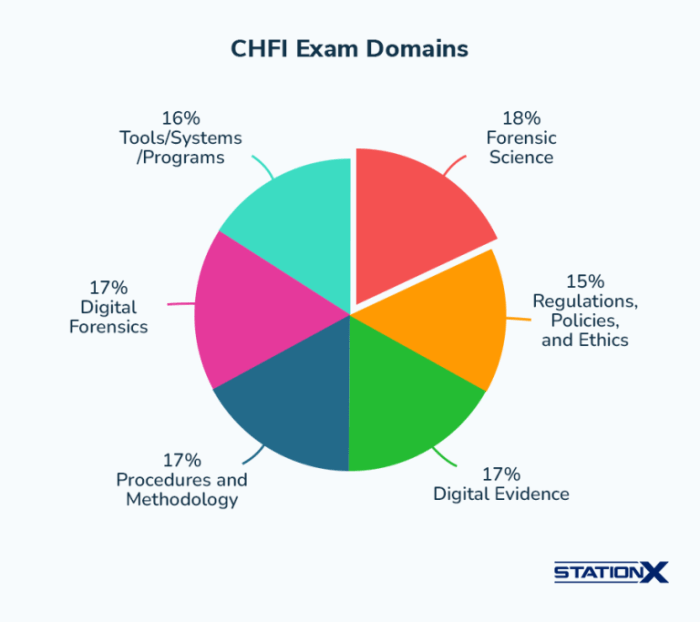
Creating a solid study plan is essential for anyone gearing up for cybersecurity certification exams. A well-structured plan not only organizes your study time but also maximizes retention and understanding of complex topics. This guide will walk you through developing an effective study plan, highlight useful resources to help cut down costs, and emphasize the significance of practice exams in achieving success.
Creating a Study Plan
Establishing a study plan involves setting clear goals and breaking down the material into manageable sections. Here’s how you can formulate a comprehensive study plan:
1. Assess the Exam Requirements
Start by reviewing the certification exam objectives. Most certification bodies publish detailed Artikels of what topics will be covered.
2. Set a Timeline
Determine how much time you have until the exam date. Allocate specific time slots each week dedicated solely to studying.
3. Break Down Topics
Divide the syllabus into smaller sections, focusing on one topic at a time. This can help manage the complexity of the material.
4. Incorporate Various Learning Methods
Use a mix of study methods such as reading textbooks, watching video tutorials, and engaging in interactive labs.
5. Track Progress
Maintain a worksheet to log your daily study hours and topics covered. This helps in staying accountable and adjusting the plan as needed.
6. Review Regularly
Schedule regular review sessions to reinforce what you’ve learned and identify areas needing more focus.
7. Stay Flexible
Life can be unpredictable; allow some flexibility in your schedule to accommodate unexpected events or challenges.
Resources and Study Materials
Utilizing the right resources can significantly reduce your overall costs while preparing for your certification exams. Here are some effective and budget-friendly materials:
Online Courses
Platforms like Coursera, Udemy, and Pluralsight often offer discounted courses tailored to specific certifications. These are often more affordable than traditional classroom settings.
Free Study Guides
Many organizations provide free downloadable study guides. Websites like Cybrary and the official certification bodies often have valuable free materials.
Books from Libraries
Check your local or institution library for textbooks related to your certification. This can save you from purchasing expensive books.
YouTube Tutorials
Numerous cybersecurity professionals share their knowledge through free YouTube videos, covering various exam topics comprehensively.
Study Groups
Joining study groups on platforms like Reddit or Discord can provide support and insights without any cost. Collaborating with peers enhances learning.
Importance of Practice Exams
Practice exams are an invaluable resource that can greatly impact your performance on the actual certification exam. Here are reasons why they are essential:
Familiarity with Exam Format
Practice exams familiarize you with the structure of the actual test, including question types and timing.
Identifying Weak Areas
These exams help pinpoint topics where you may need more study, allowing you to adjust your focus accordingly.
Building Confidence
Regularly taking practice exams can help reduce anxiety and foster confidence, making you feel more prepared on exam day.
Improving Time Management
Timed practice exams allow you to practice pacing, ensuring you can complete the exam within the allotted time.
Learning from Mistakes
Analyzing incorrect answers on practice exams provides valuable learning opportunities, clarifying misunderstandings and reinforcing knowledge.By integrating these elements into your study plan, you can enhance your preparation for cybersecurity certification exams and position yourself for success.
Long-term Financial Considerations
When considering a cybersecurity certification, it’s essential to think beyond the initial costs. Maintaining a certification often involves additional ongoing expenses that can impact your financial planning. Understanding these long-term costs can help you manage your budget effectively while ensuring that your professional credentials remain valid and relevant.Ongoing costs associated with maintaining certifications can include renewal fees, which vary widely by certification.
Additionally, many certifications require continuing education to stay current with industry developments. These can come in the form of workshops, online courses, or attending conferences. Overall, while the initial investment in a certification can yield significant returns, it’s important to factor in these continuous expenses to truly assess the financial implications of your certifications.
Ongoing Costs and Financial Impact
Maintaining cybersecurity certifications involves several financial commitments that professionals should anticipate:
Renewal Fees
Most certifications require periodic renewal, which can range from $50 to several hundred dollars depending on the certification body. For example, the Certified Information Systems Security Professional (CISSP) has a renewal fee of $125 every three years.
Continuing Education Units (CEUs)
Many certifications necessitate the completion of CEUs to stay valid. This could mean attending conferences, webinars, or taking relevant courses. The costs for these educational opportunities can add up quickly.
Study Materials and Resources
Preparing for renewal exams or acquiring new skills may require textbooks, subscriptions to online learning platforms, or exam preparation courses. These materials can range from $100 to over $1,000 depending on the resources selected.
Opportunity Costs
Time spent on continuing education or preparation can also be considered an ongoing cost. Professionals may need to invest personal time, which could have been used for other activities or additional work hours.Investing in certifications can significantly influence career advancement and long-term financial stability. Professionals with relevant and up-to-date certifications often find better job opportunities, higher salaries, and improved job security.
Employers frequently seek candidates with validated skills, making certifications a valuable asset in competitive job markets. Additionally, as the demand for cybersecurity professionals continues to grow, those with the right certifications may experience faster career progression.To effectively manage ongoing certification expenses, consider the following budgeting tips:
Set a Certification Budget
Allocate a specific amount of your annual budget for certification-related expenses to prevent overspending.
Research Certification Requirements
Stay informed about the specific renewal requirements and costs of your certifications to plan adequately for any upcoming fees.
Utilize Employer Sponsorship
Many employers are willing to cover certification costs as part of professional development. Check with your employer about any available support.
Take Advantage of Free Resources
Look for free or low-cost educational resources to meet CEU requirements without straining your budget.
Plan for Future Certifications
If you aim to achieve additional certifications, plan and save ahead to manage costs effectively.By being proactive in managing these long-term financial considerations, cybersecurity professionals can maximize the return on their certification investments while ensuring their qualifications remain robust and relevant.
Closing Notes
In conclusion, navigating the world of Cybersecurity Certification Cost For Professionals involves much more than just understanding the price tags. With the right information and preparation, professionals can weigh the costs against the potential career advancements and salary increases. This balance is essential to making a sound investment in one’s future, ensuring that the pursuit of certification leads to meaningful growth and long-term success in the ever-evolving field of cybersecurity.
FAQ
What is the average cost of cybersecurity certifications?
The average cost can range from a few hundred to several thousand dollars, depending on the certification and associated materials.
Are there any free resources for studying certification materials?
Yes, many organizations offer free online courses, practice exams, and study groups to help candidates prepare.
How often do cybersecurity certifications need to be renewed?
Most certifications require renewal every 2 to 3 years, which often involves additional costs for continuing education or renewal fees.
Is it worth investing in multiple certifications?
Yes, obtaining multiple certifications can enhance job prospects and salary potential, but it’s important to choose relevant ones for your career path.
Can employers reimburse certification costs?
Many employers offer reimbursement programs as part of their professional development support, so it’s worth inquiring about this benefit.